Hedda Maartens — MA in fashion design, then eleven years in the industry designing for people who had no say in what they wore. Now writes about prescribed dress: how a garment was made to work, and what it was made to make a person into.
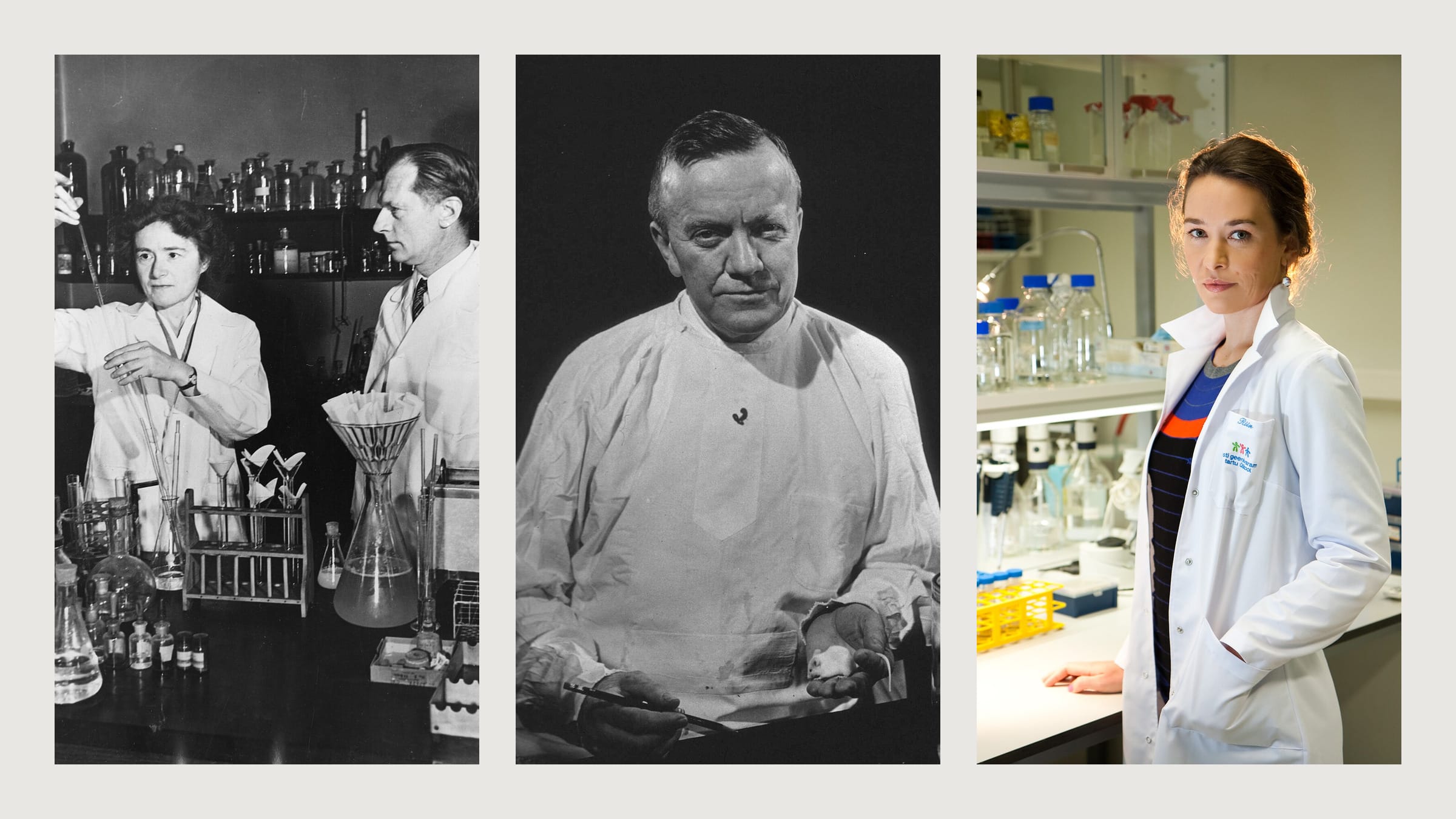
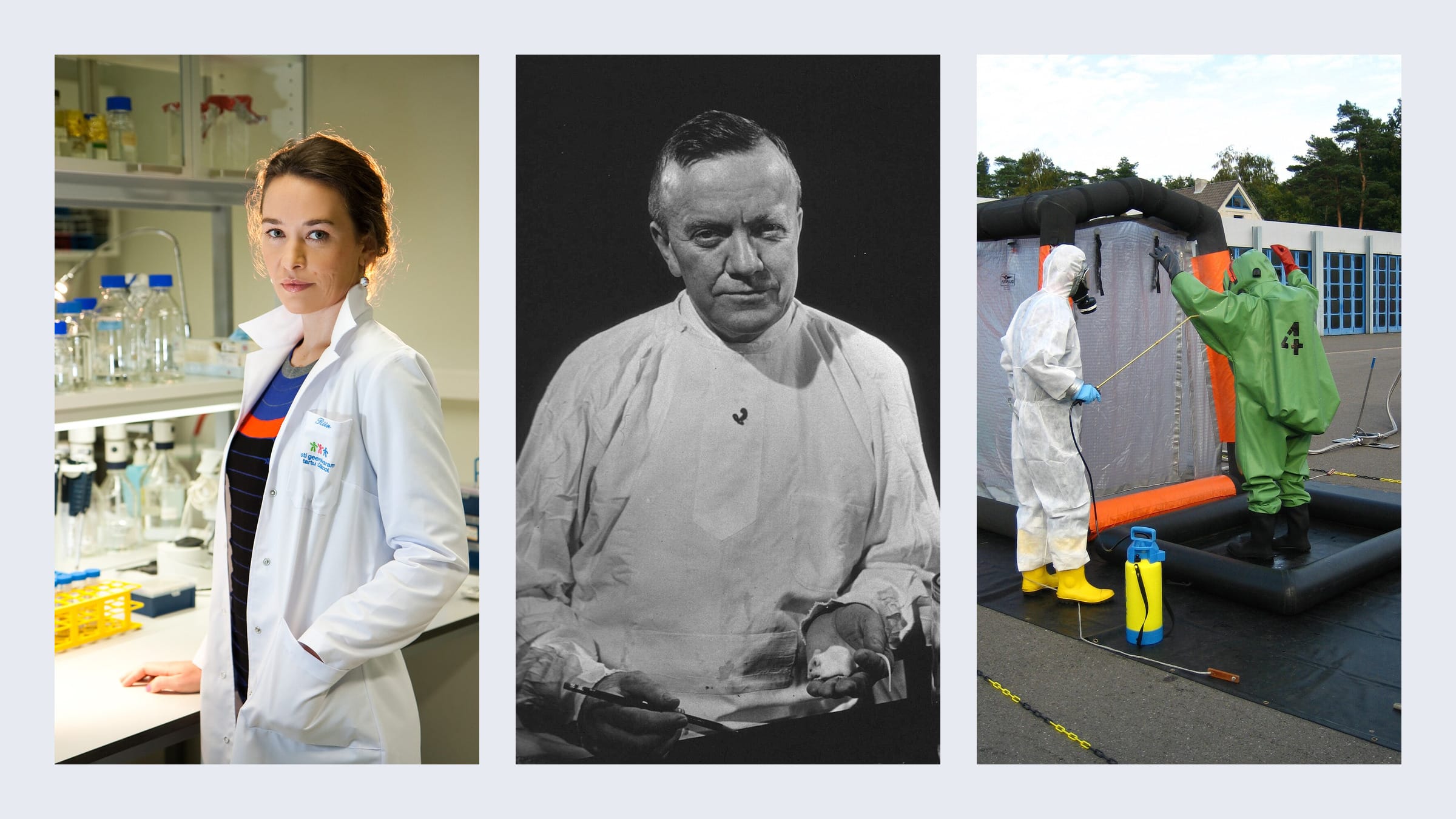
The white coat is the most borrowed garment in this archive — doctors took it from chemists, and everyone else took it from doctors. It is also the only professional uniform here that was never re-cut for women.
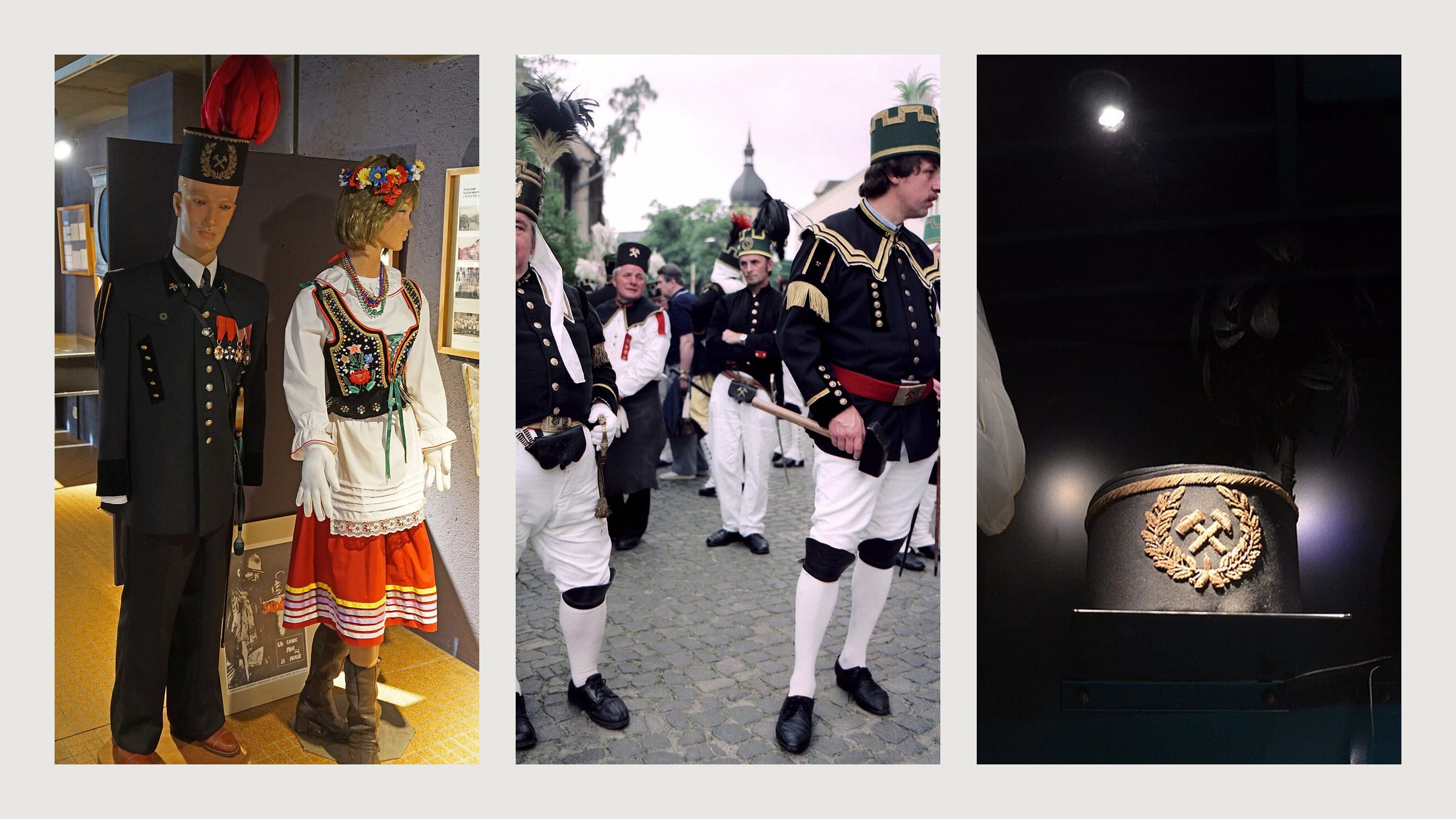
Miners worked in almost nothing. Above ground the same trade built one of the most elaborate ceremonial uniforms in Europe — a black tunic, white breeches, a plumed shako, and a leather apron worn back to front.
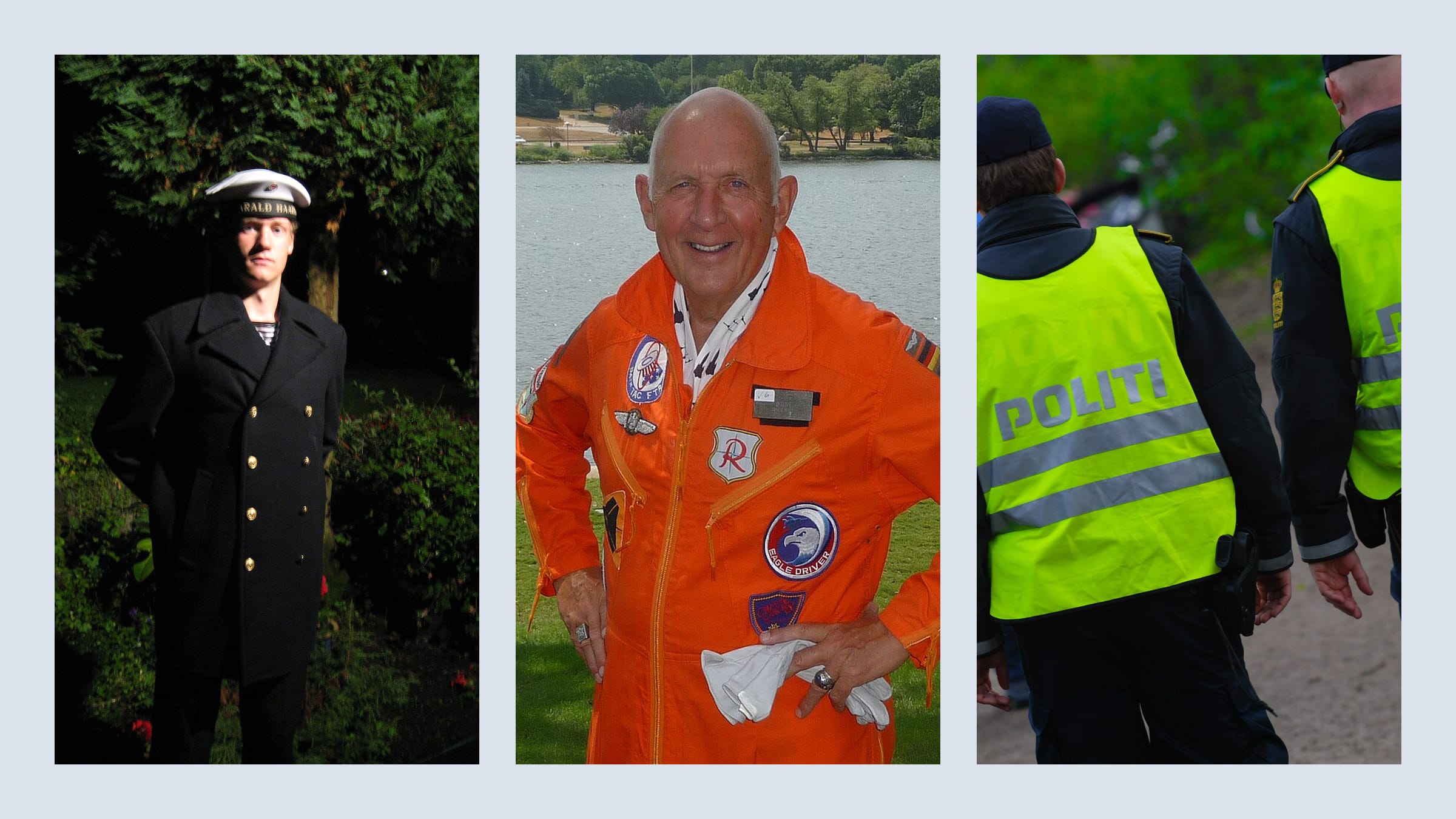
Every type of state force and public order in one place — 9 chapters, Army, Navy, Air force and the rest, with the plates and an inventory to download.
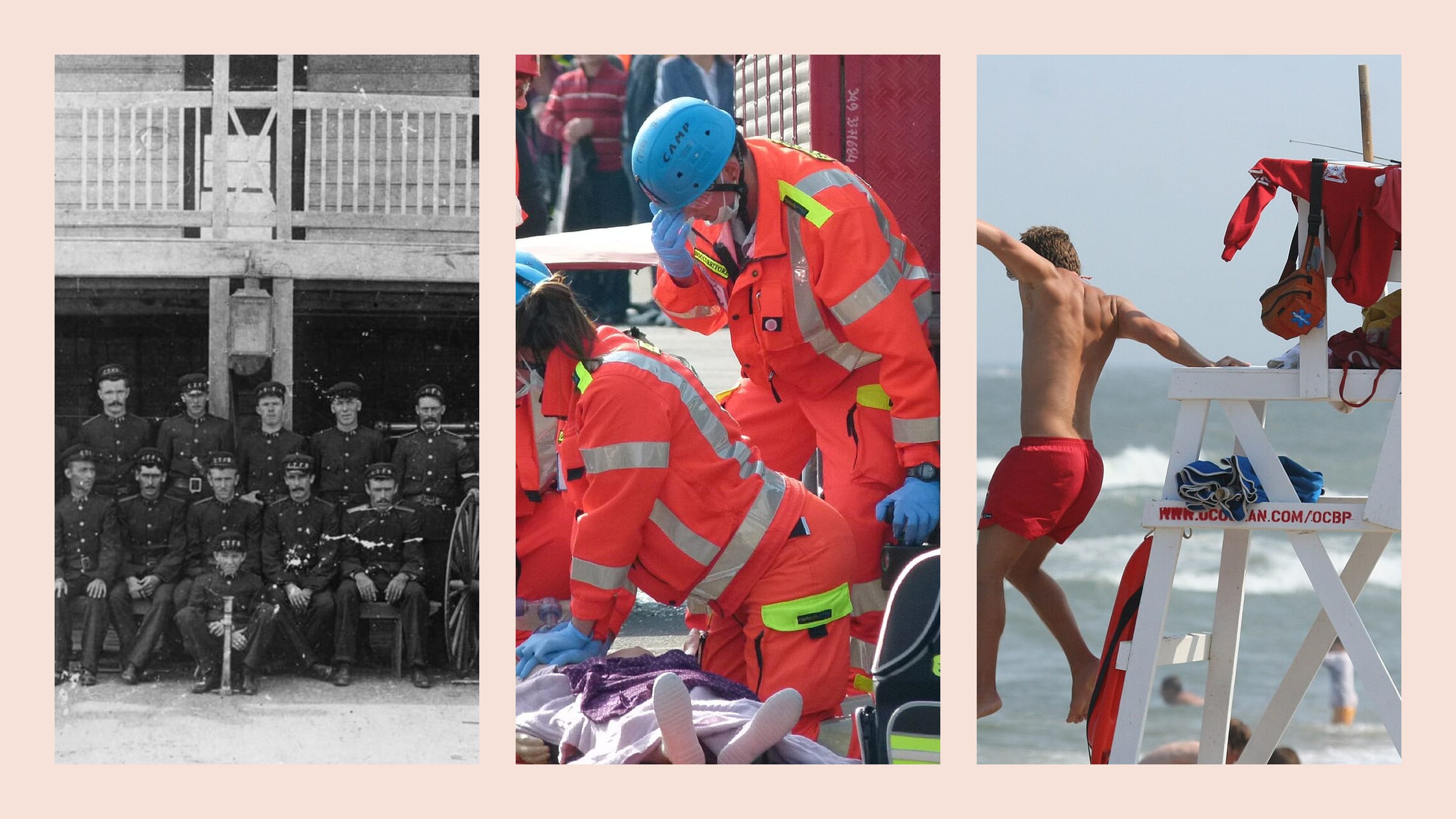
Every type of emergency and rescue in one place — 4 chapters, Fire and rescue, Ambulance and paramedic, Search and rescue and the rest, with the plates and an inventory to download.
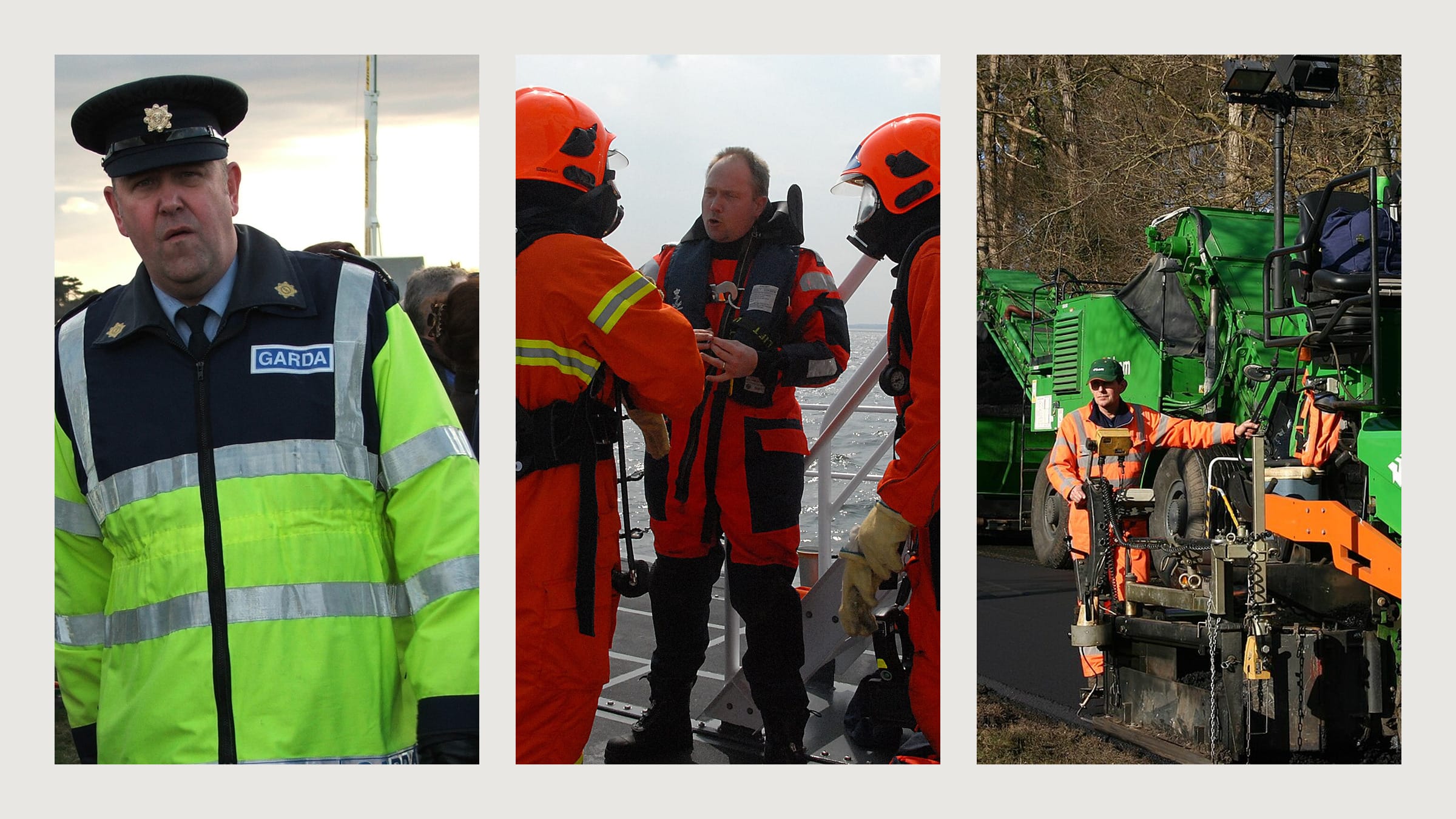
The narrow band of yellow-green that safety clothing settled on, and the oranges and reds that were tried first. The one colour in dress chosen by measurement rather than taste.
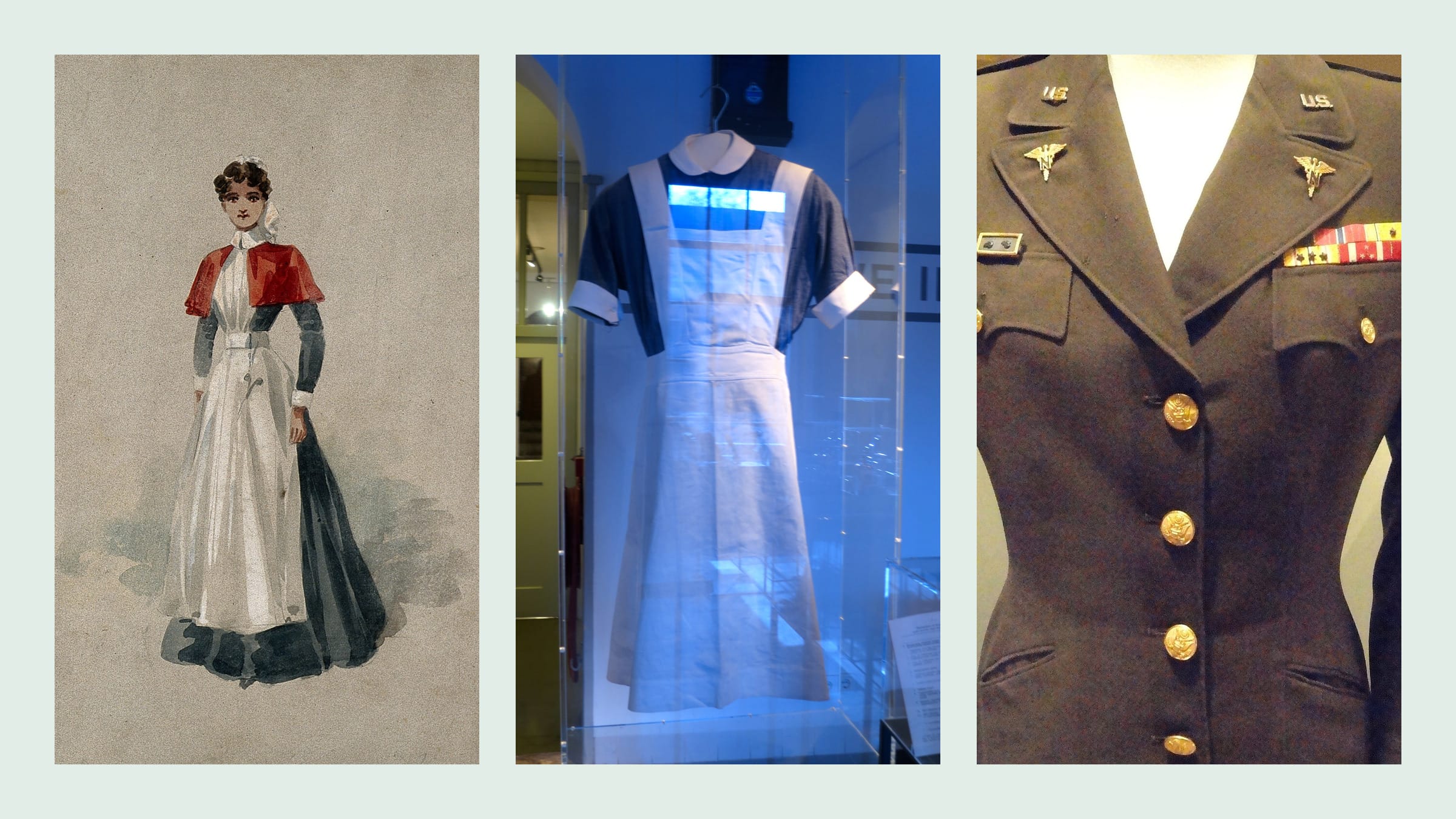
Every type of health and care in one place — 5 chapters, Clinical medicine, Nursing, Allied health and the rest, with the plates and an inventory to download.
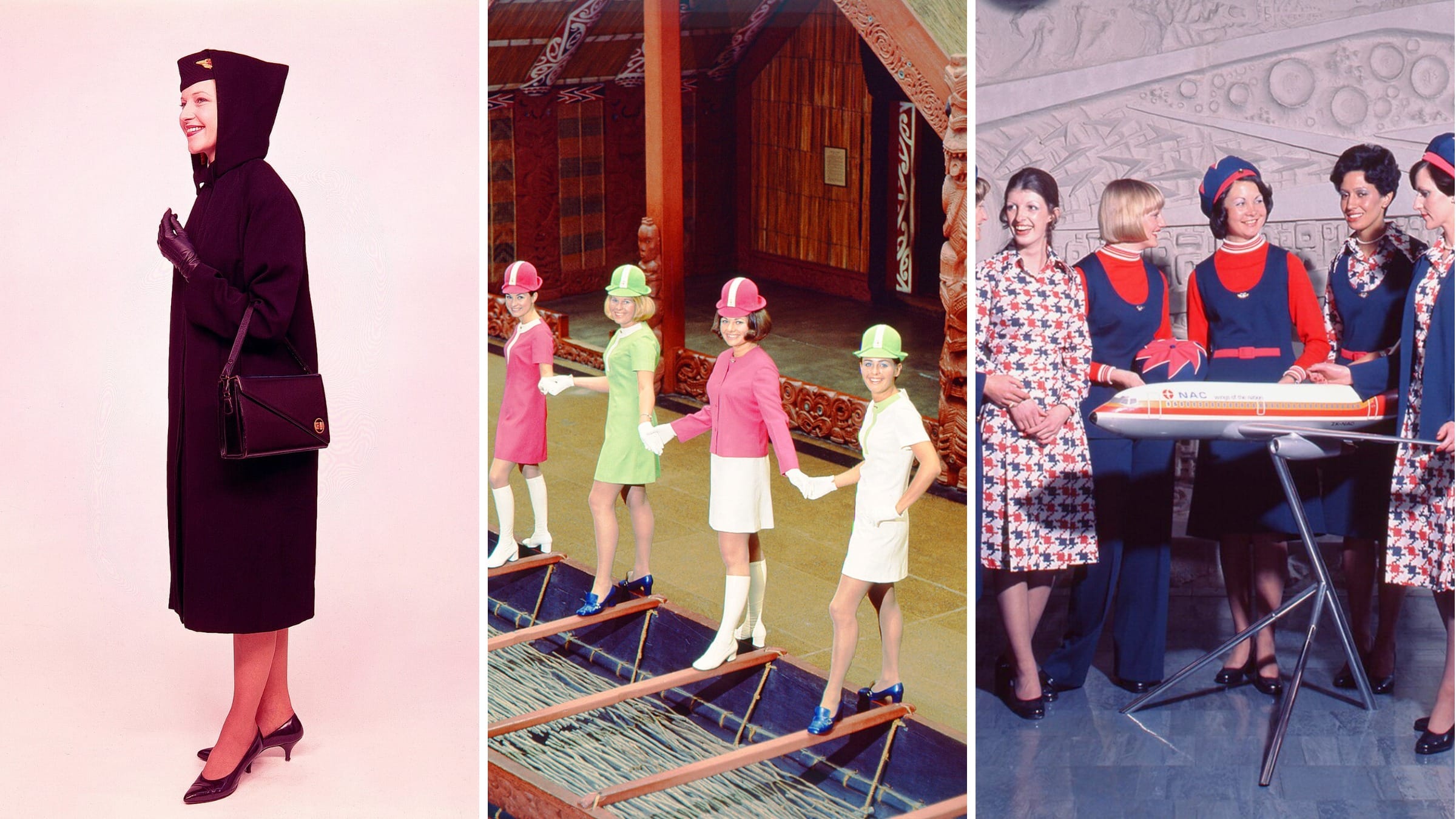
The years when airlines hired fashion designers and the uniform stopped being a uniform. Also the years it became the most openly commercial garment in this entire subject.
Every type of science and controlled environments in one place — 4 chapters, Laboratory and research, Cleanroom and semiconductor, Biocontainment and hazmat and the rest, with the plates and an inventory to download.
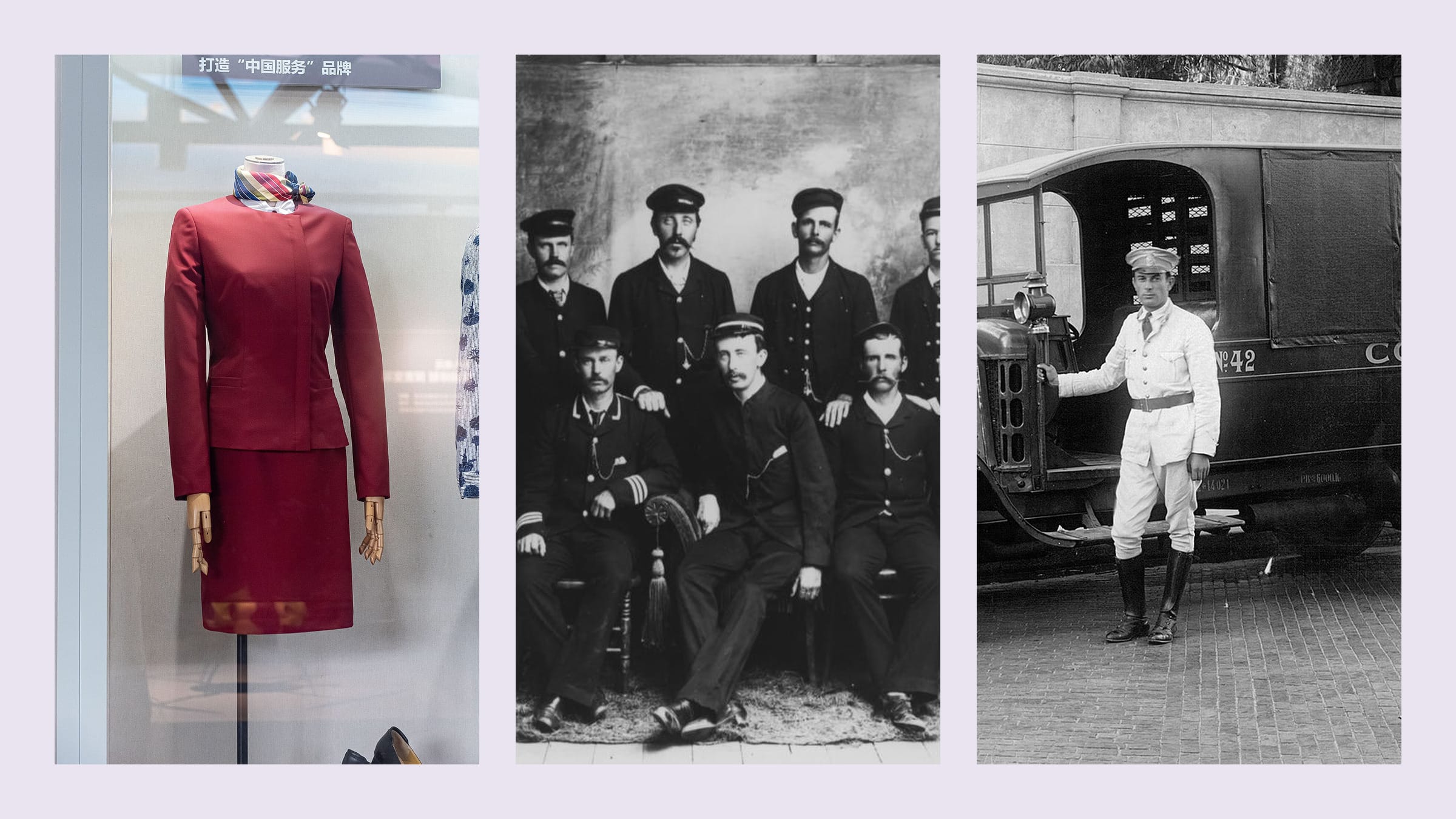
Every type of transport in one place — 7 chapters, Aviation flight crew, Aviation cabin crew, Aviation ground handling and the rest, with the plates and an inventory to download.
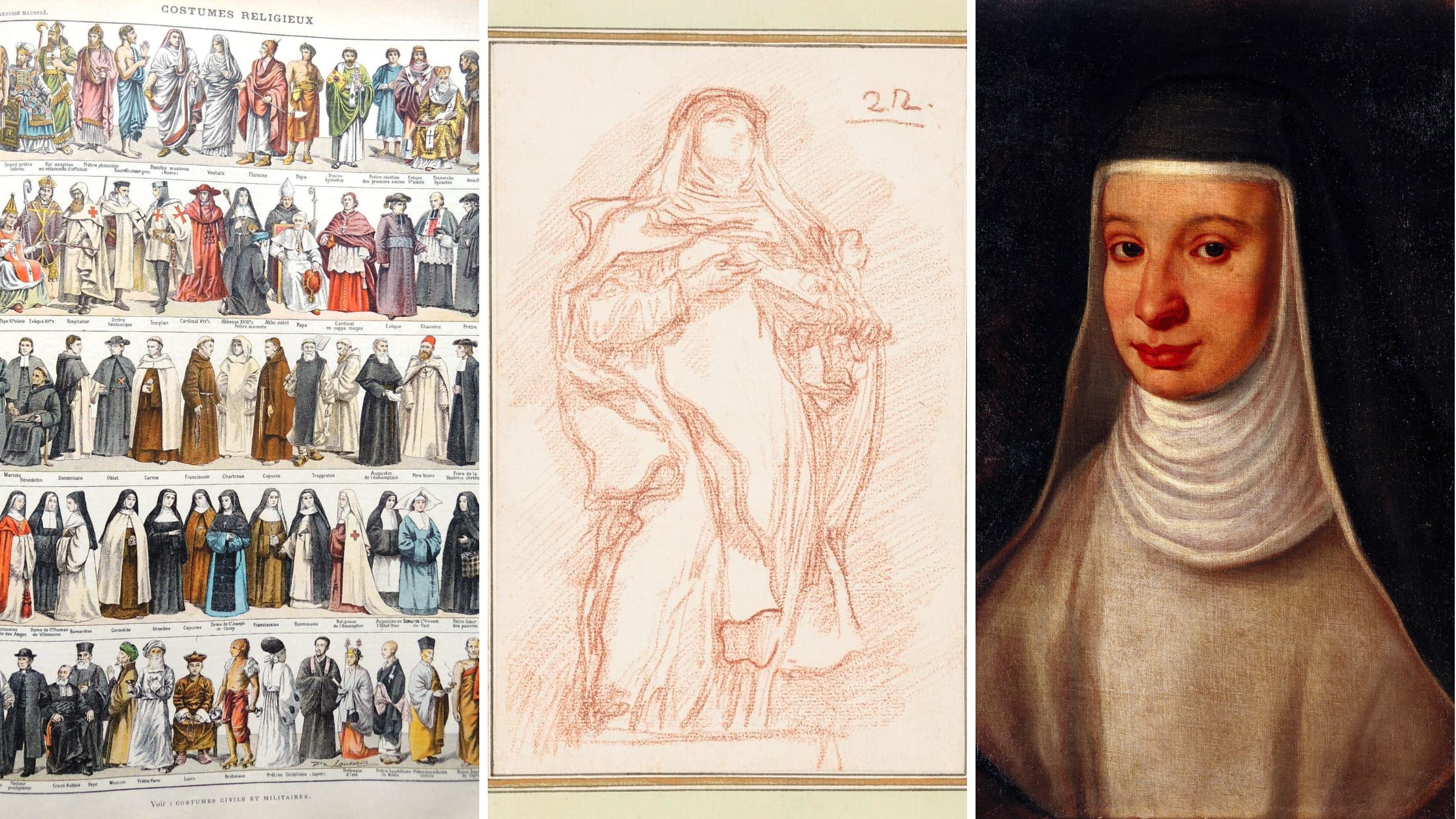
Laid out complete and numbered: eleven garments, each with a name, a rule governing when it is worn, and in several cases a meaning attached to the act of putting it on.
Back
Nametape
Free
$0
Every Research post and every Essay, free to read.
All Research posts — one uniform at a time, in archive photographs