One uniform at a time, taken apart in photographs from museum and library collections — how it was cut, what it was made from, and how it changed. Short notes; the pictures do the work. Free to read.
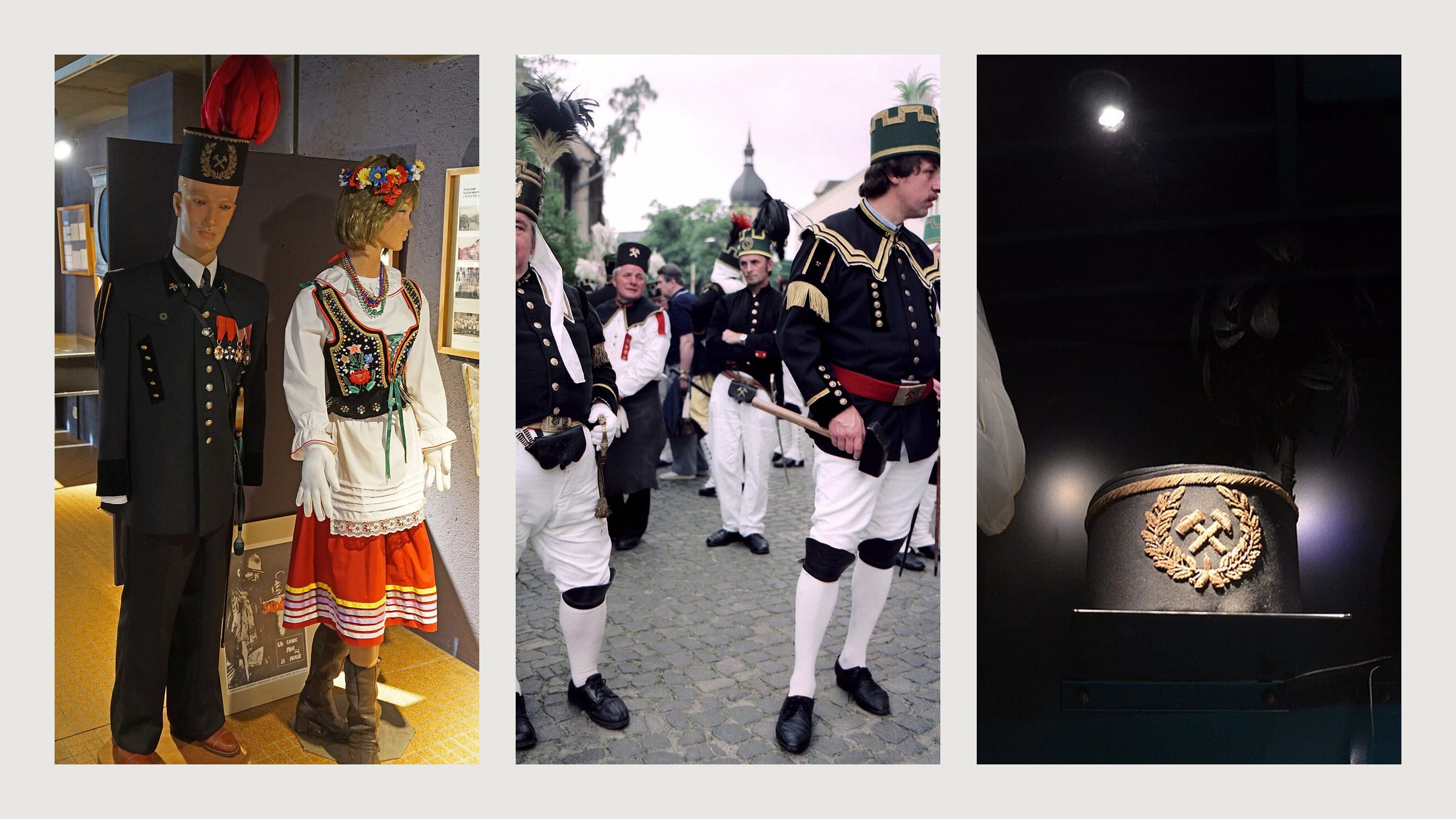
Miners worked in almost nothing. Above ground the same trade built one of the most elaborate ceremonial uniforms in Europe — a black tunic, white breeches, a plumed shako, and a leather apron worn back to front.
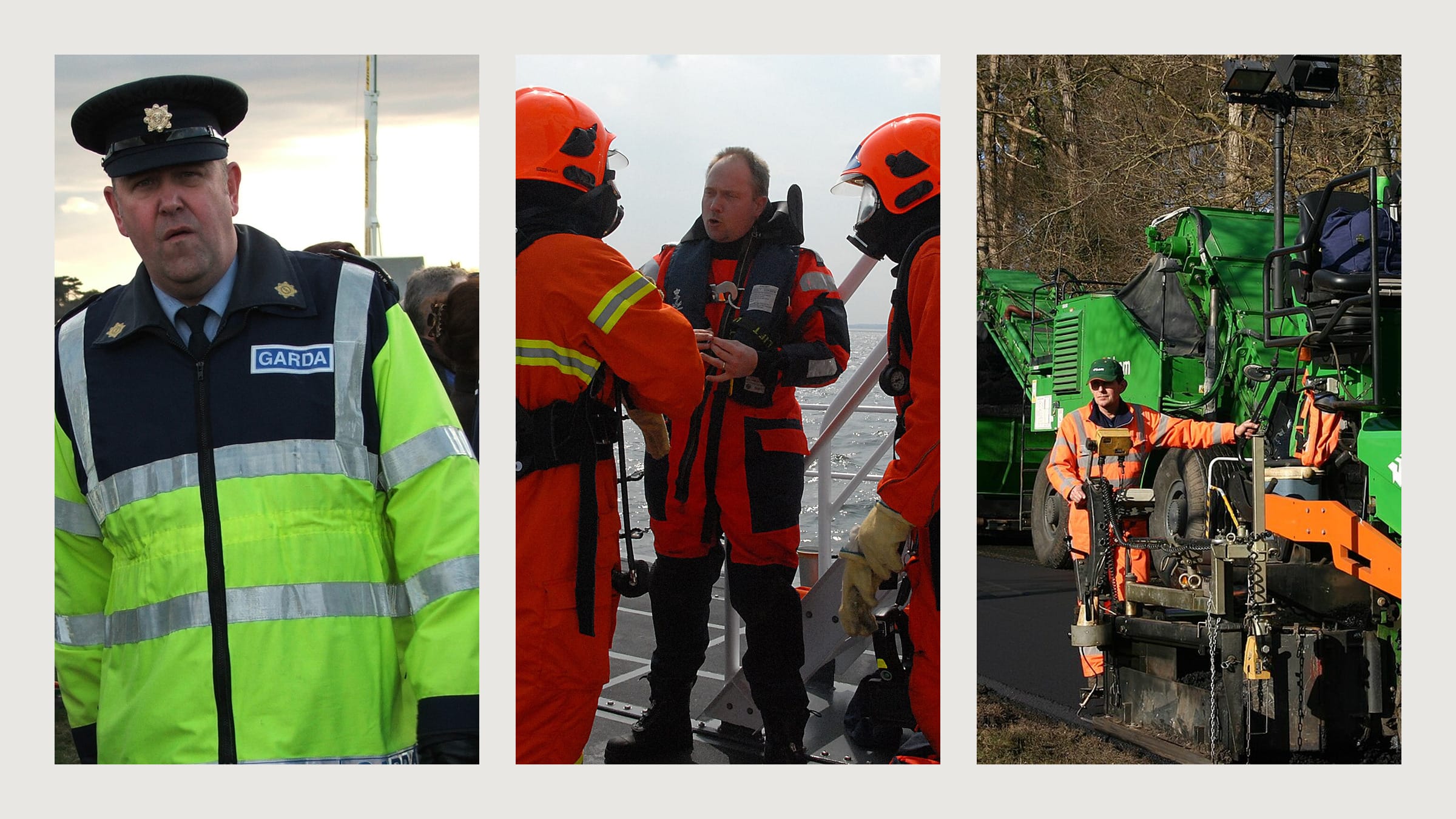
The narrow band of yellow-green that safety clothing settled on, and the oranges and reds that were tried first. The one colour in dress chosen by measurement rather than taste.
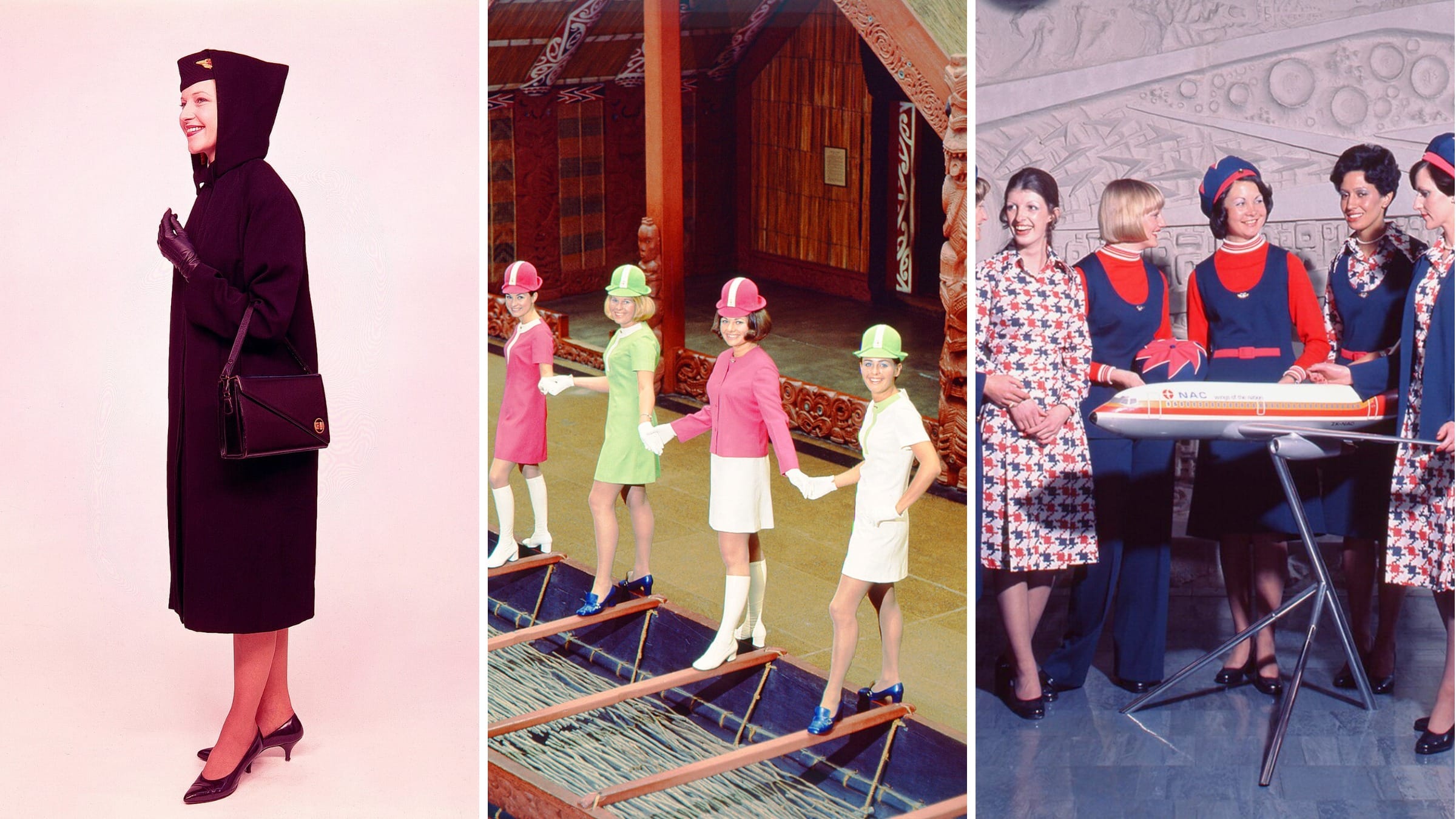
The years when airlines hired fashion designers and the uniform stopped being a uniform. Also the years it became the most openly commercial garment in this entire subject.
Laid out complete and numbered: eleven garments, each with a name, a rule governing when it is worn, and in several cases a meaning attached to the act of putting it on.
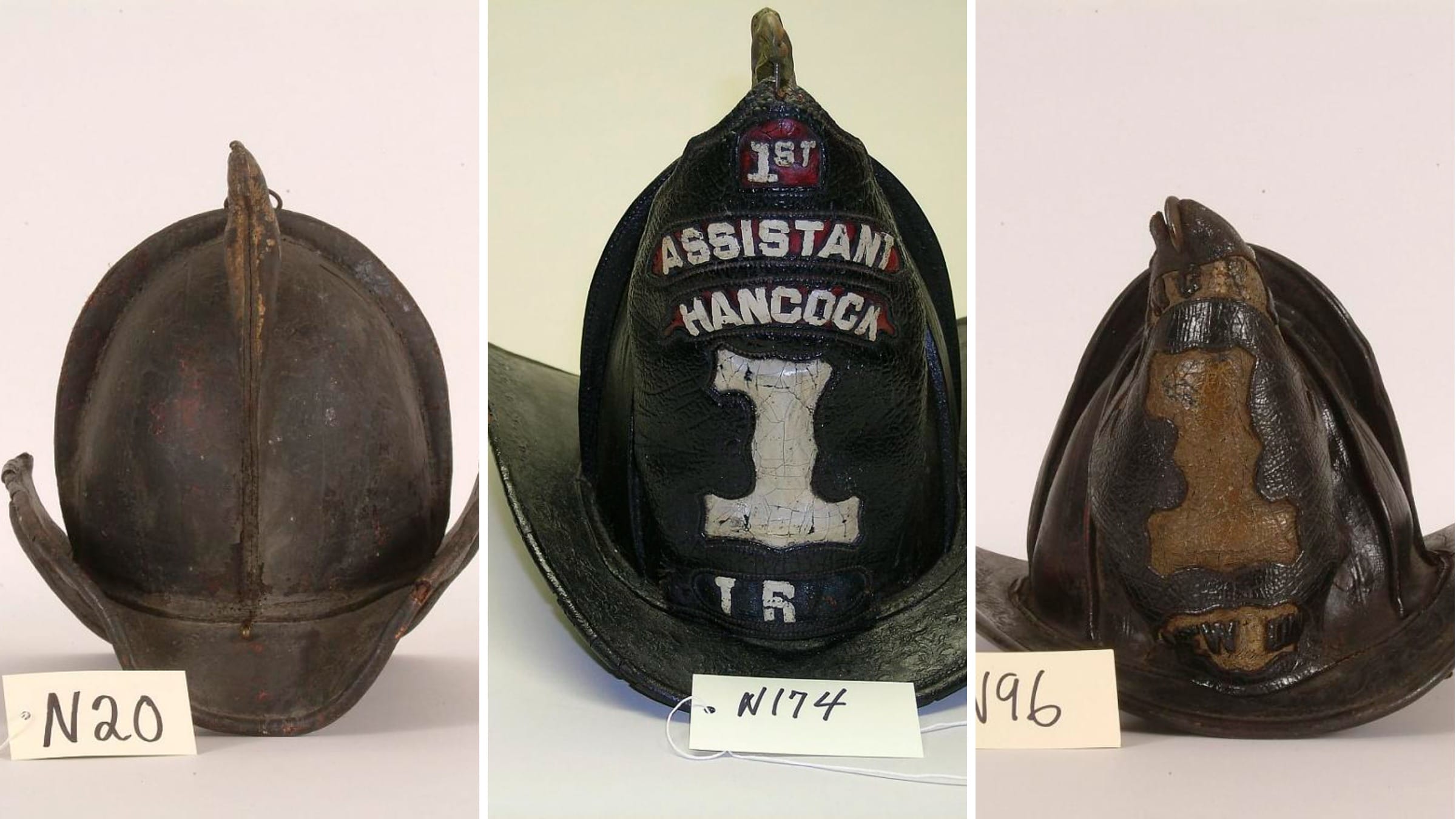
Wool, leather and a brass helmet. Firefighting dress before flame-resistant fibre was a bet that wool chars rather than melts, and that the helmet would take the rest.
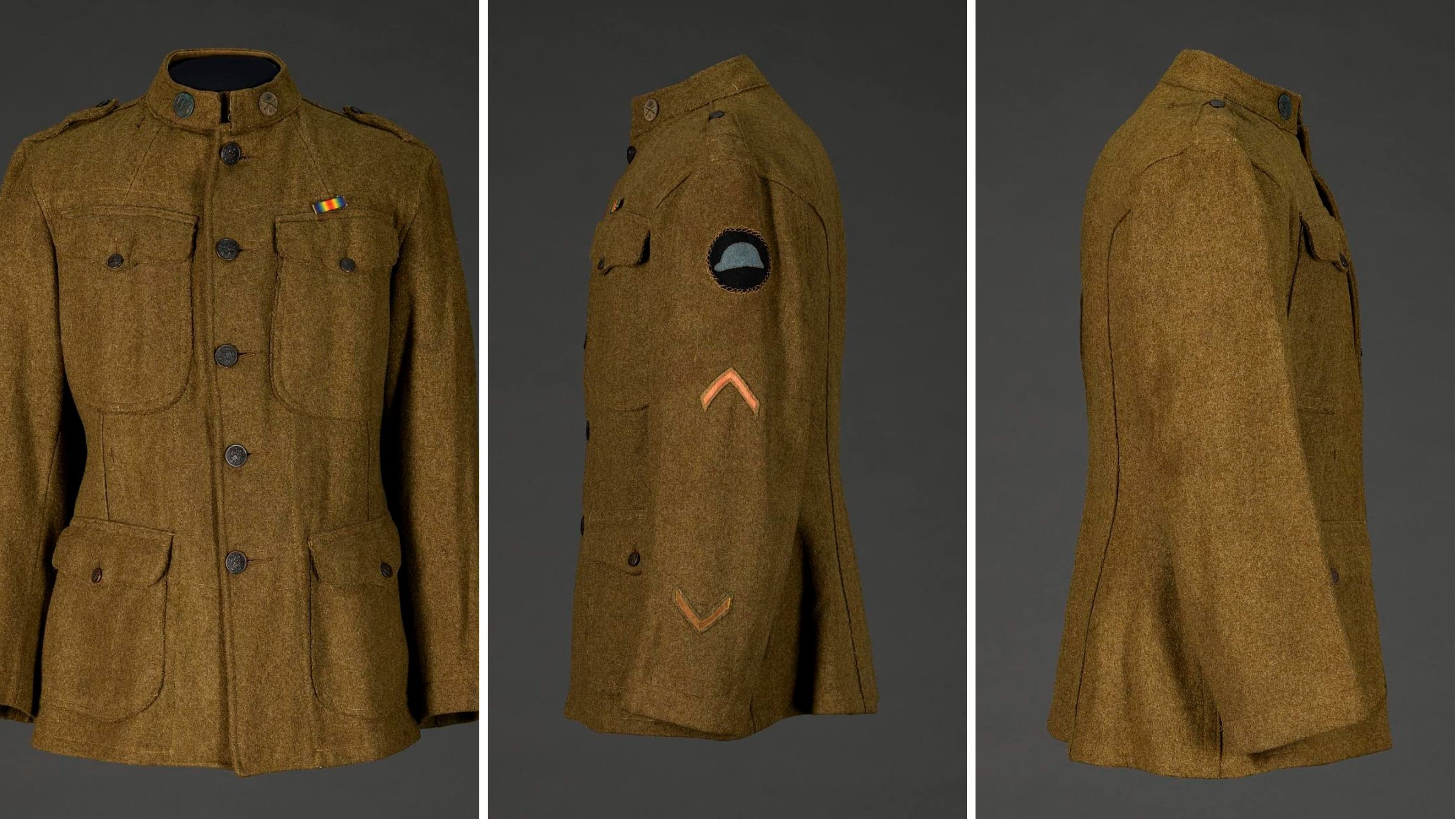
Between the wars, military tailoring did what architecture was doing: stripped ornament, raised the waist, simplified the silhouette to something a factory could cut.
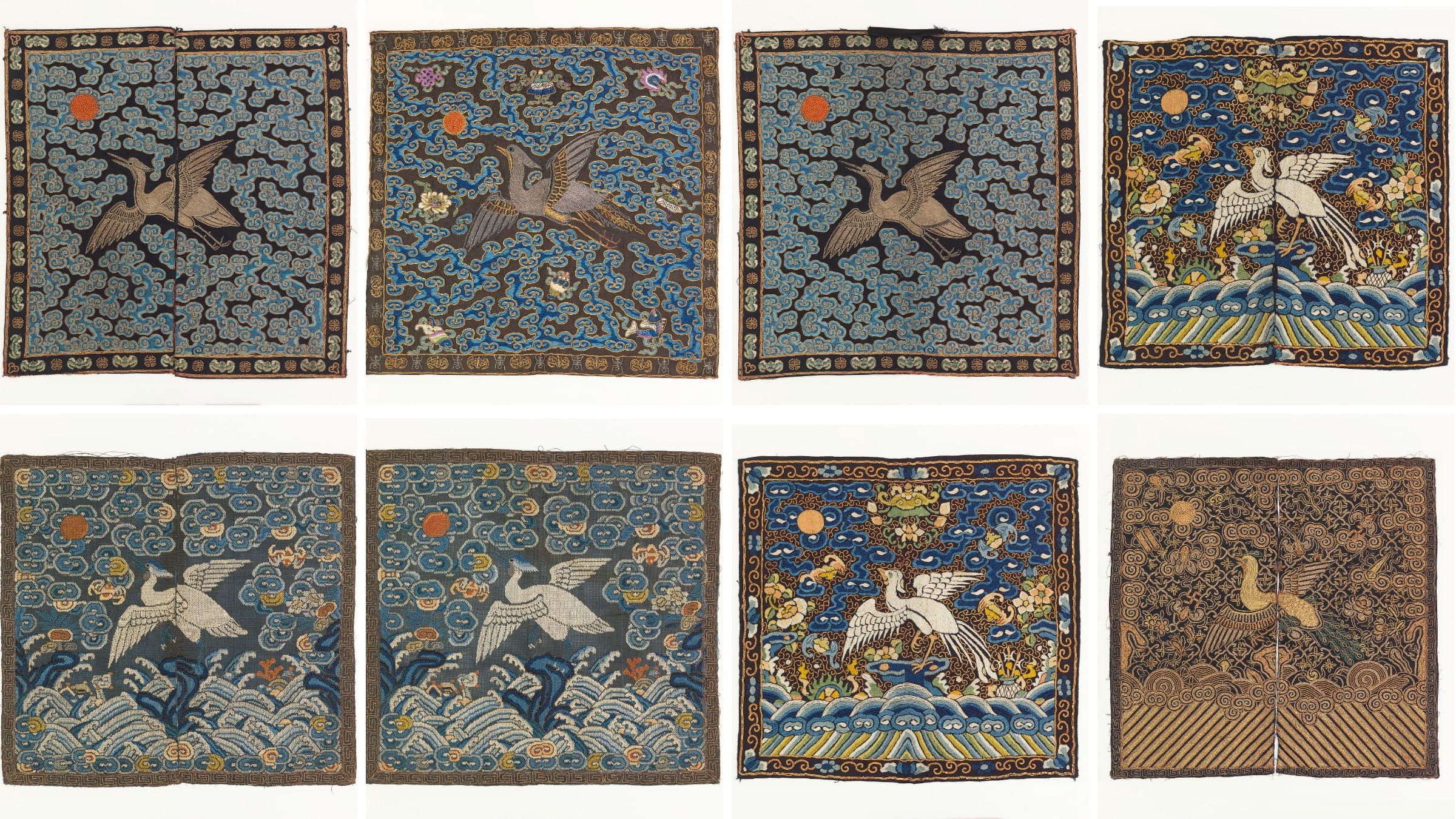
Forty pieces of insignia at one magnification. Arranged not by seniority but by visual grammar: everything that signals by repetition, then by metal, then by position on the body.
A uniform designed in the North Atlantic and then sent somewhere it could not survive. The tropical whites are what happened when an institution had to admit the climate had won.
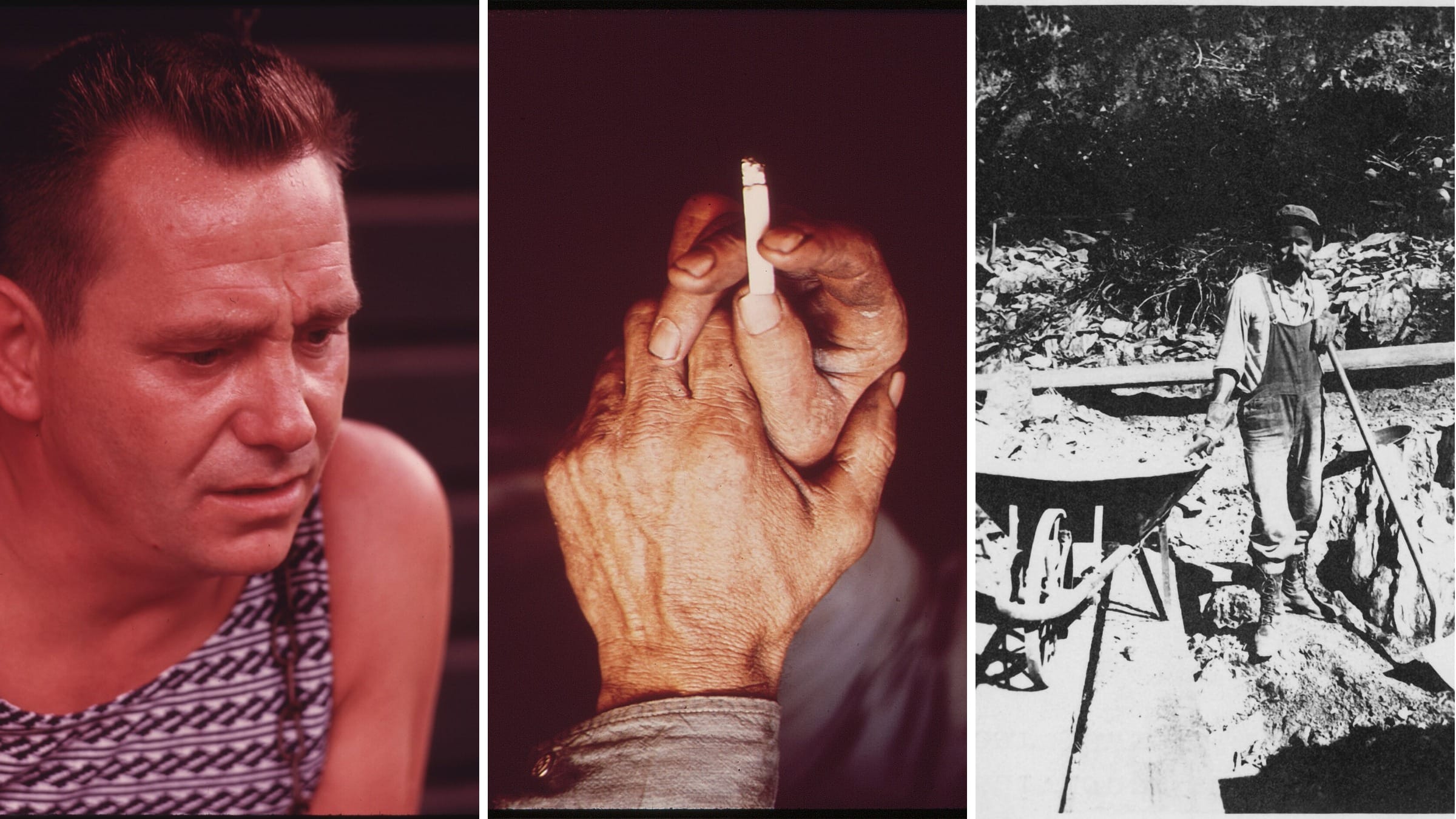
Almost nothing survives. Working clothes worn to destruction are not collected, and what we have of them is mostly photographs of men standing at the top of a shaft.
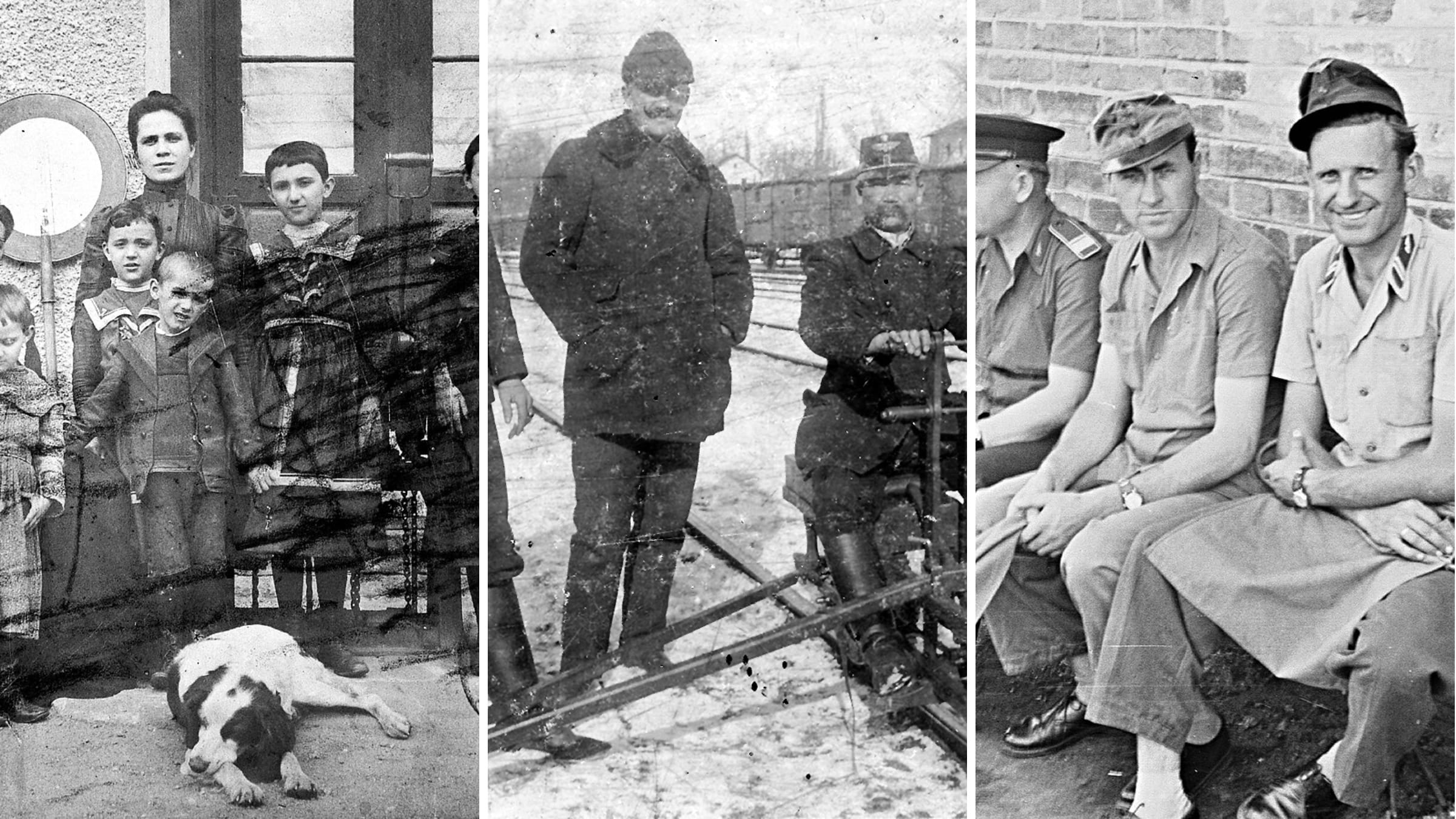
Heavy wool, high collar, company buttons. Built for standing on an open platform in February by companies that were, briefly, the largest employers on earth.
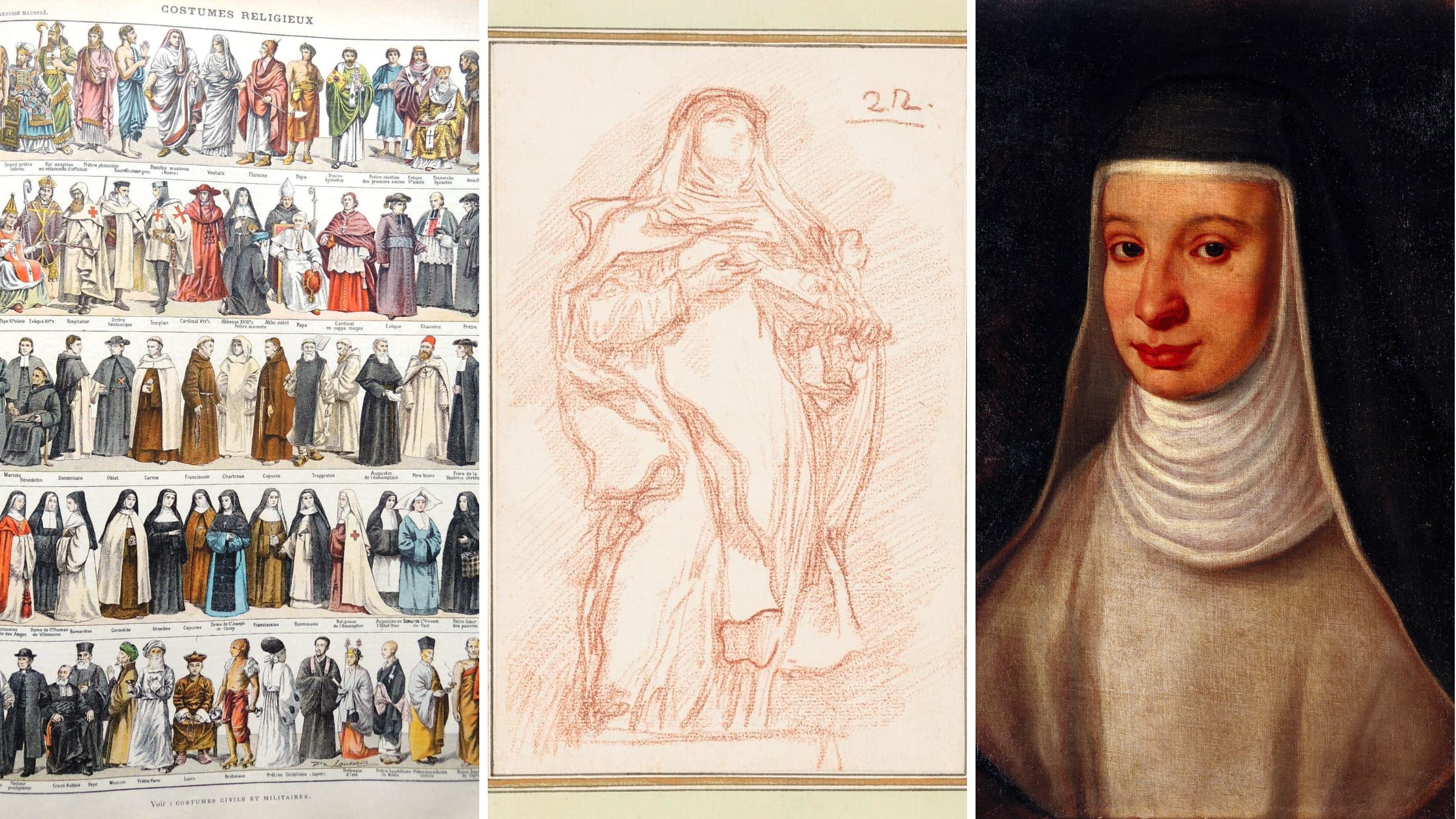
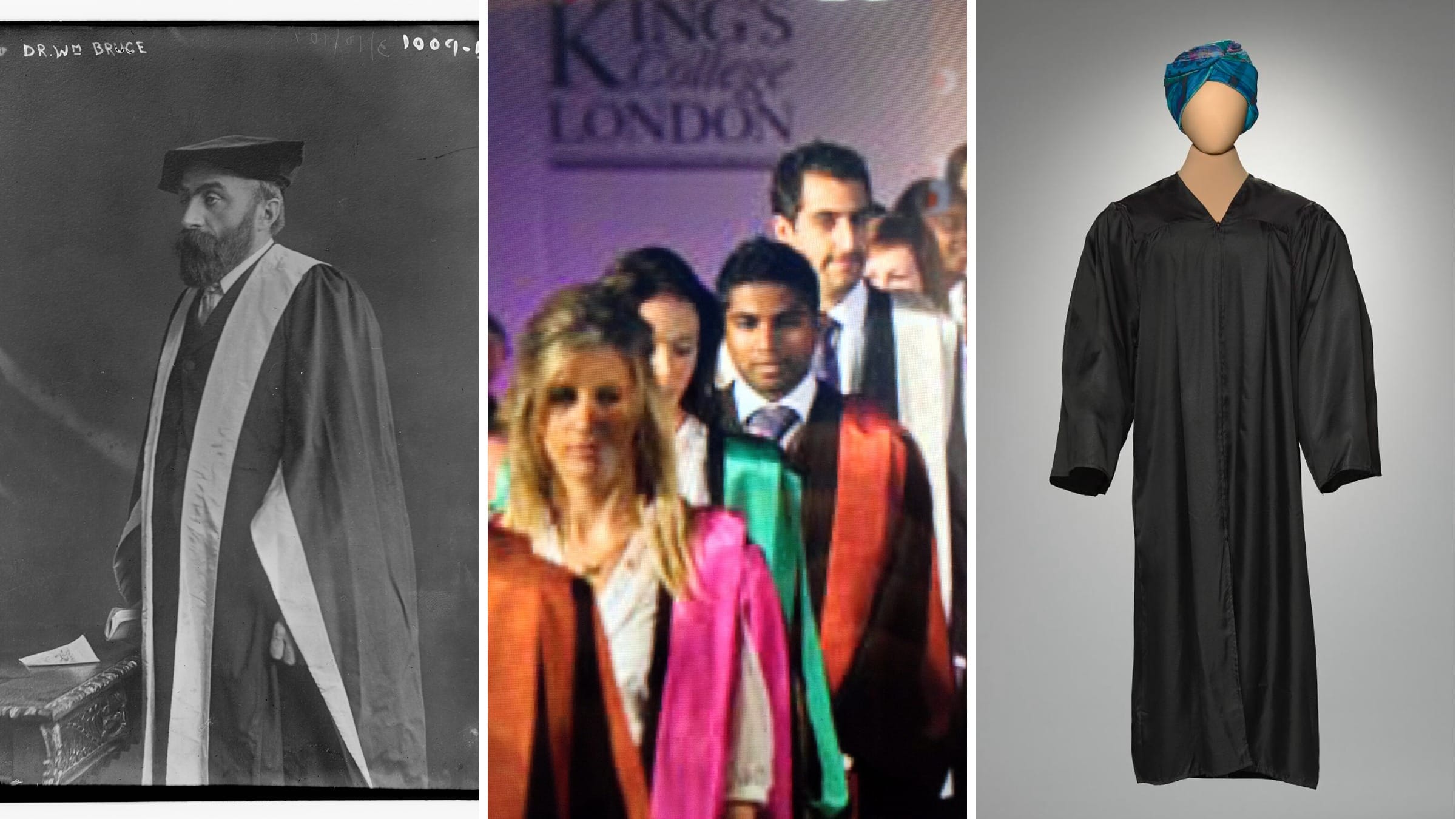
A vestigial garment that stopped being clothing and became a code. The hood carries faculty, degree and institution in a system almost nobody inside it can fully read.
Back
Nametape
Free
$0
Every Research post and every Essay, free to read.
All Research posts — one uniform at a time, in archive photographs