Hedda Maartens — MA in fashion design, then eleven years in the industry designing for people who had no say in what they wore. Now writes about prescribed dress: how a garment was made to work, and what it was made to make a person into.
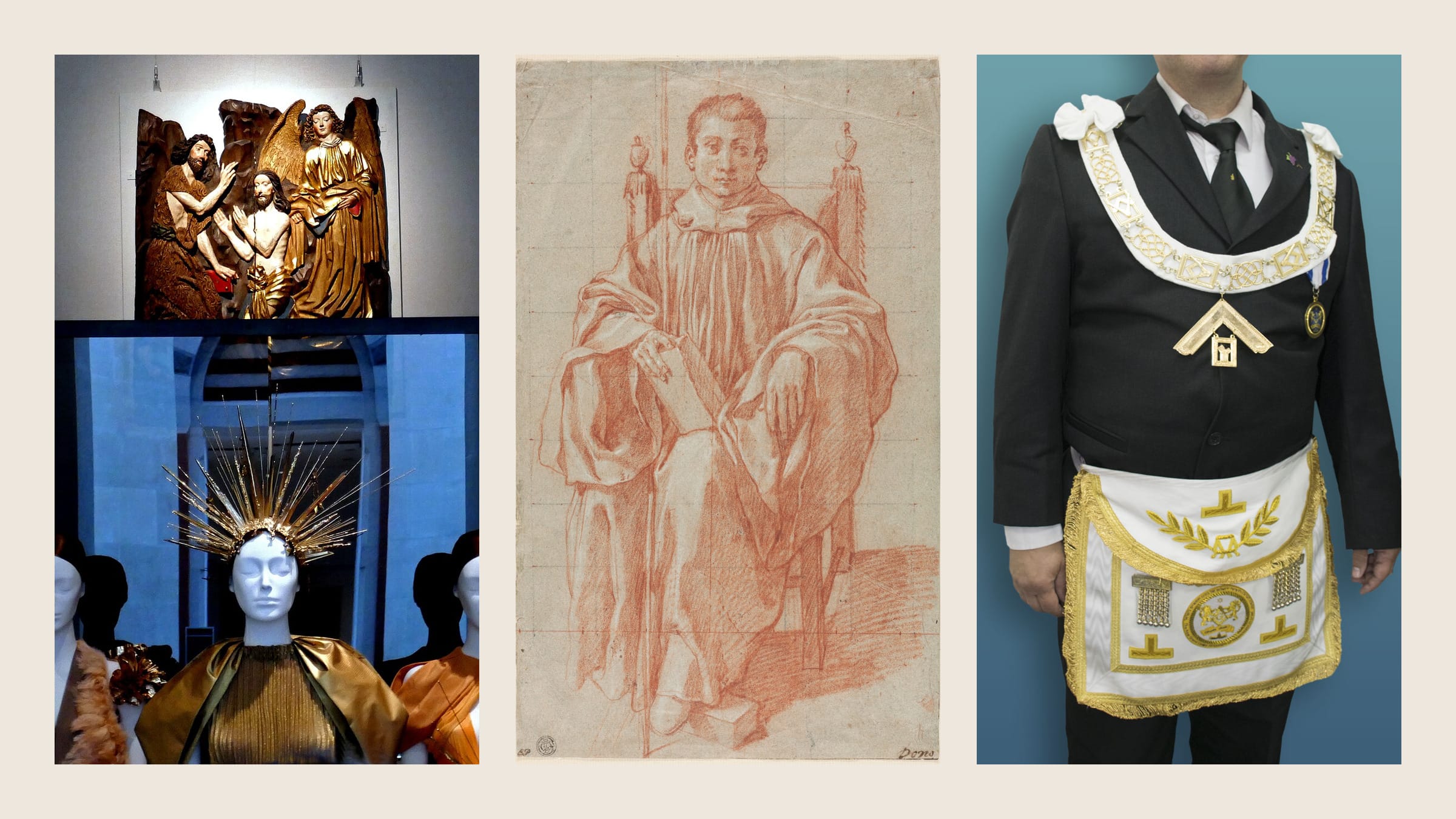
Every type of faith and ritual in one place — 4 chapters, Clergy and ministerial, Monastic and religious orders, Lay religious dress and the rest, with the plates and an inventory to download.
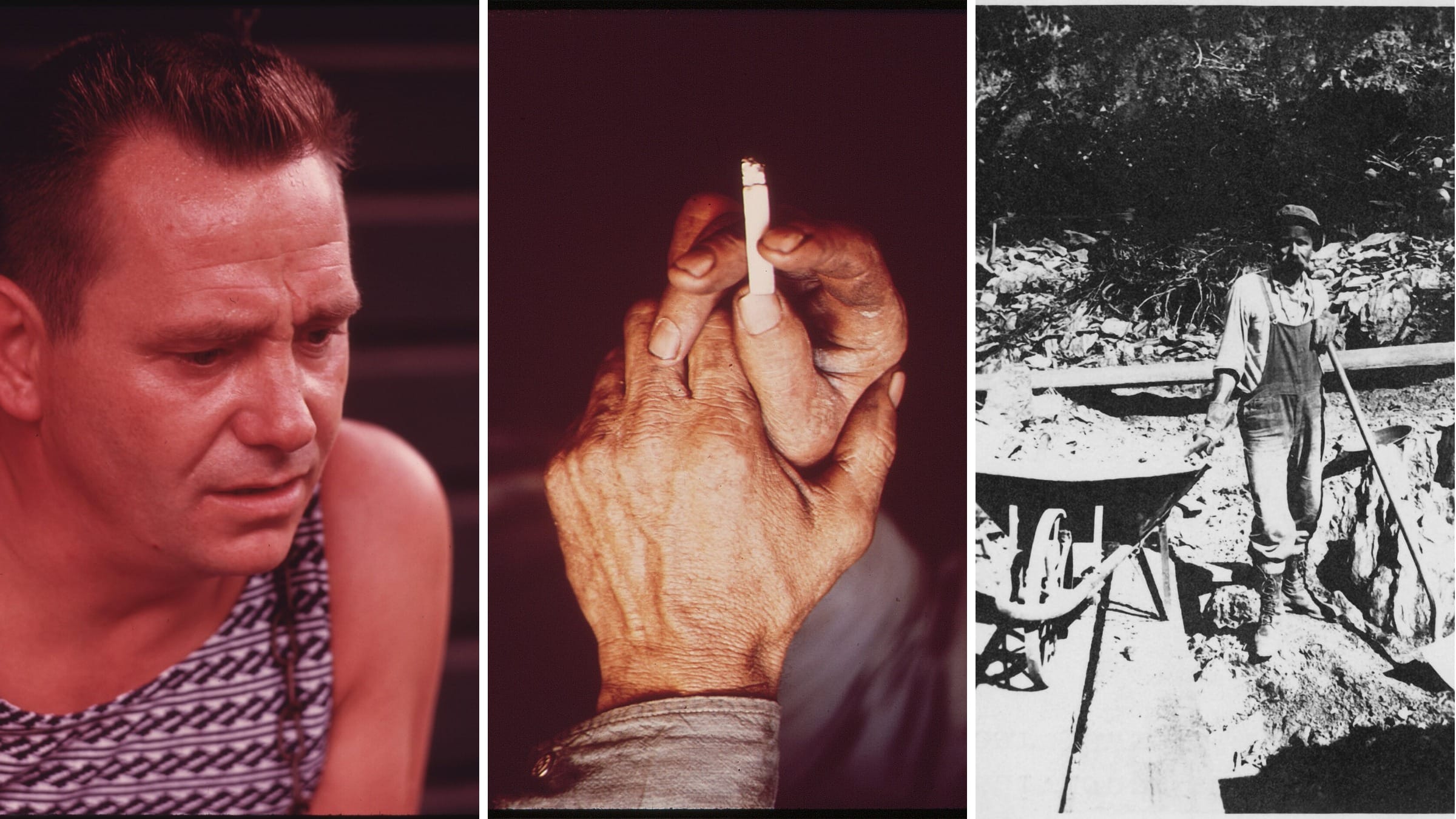
Almost nothing survives. Working clothes worn to destruction are not collected, and what we have of them is mostly photographs of men standing at the top of a shaft.
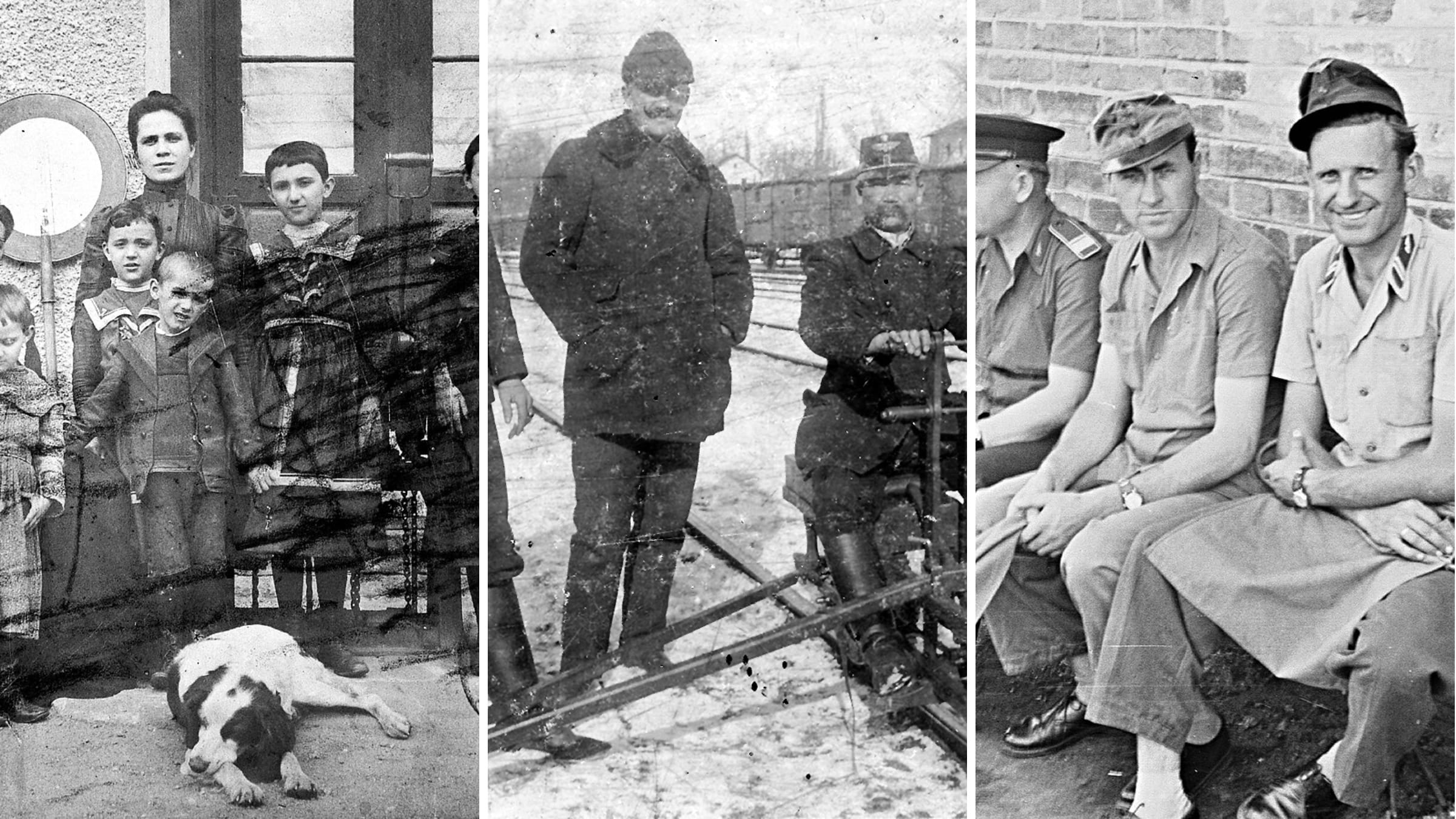
Heavy wool, high collar, company buttons. Built for standing on an open platform in February by companies that were, briefly, the largest employers on earth.
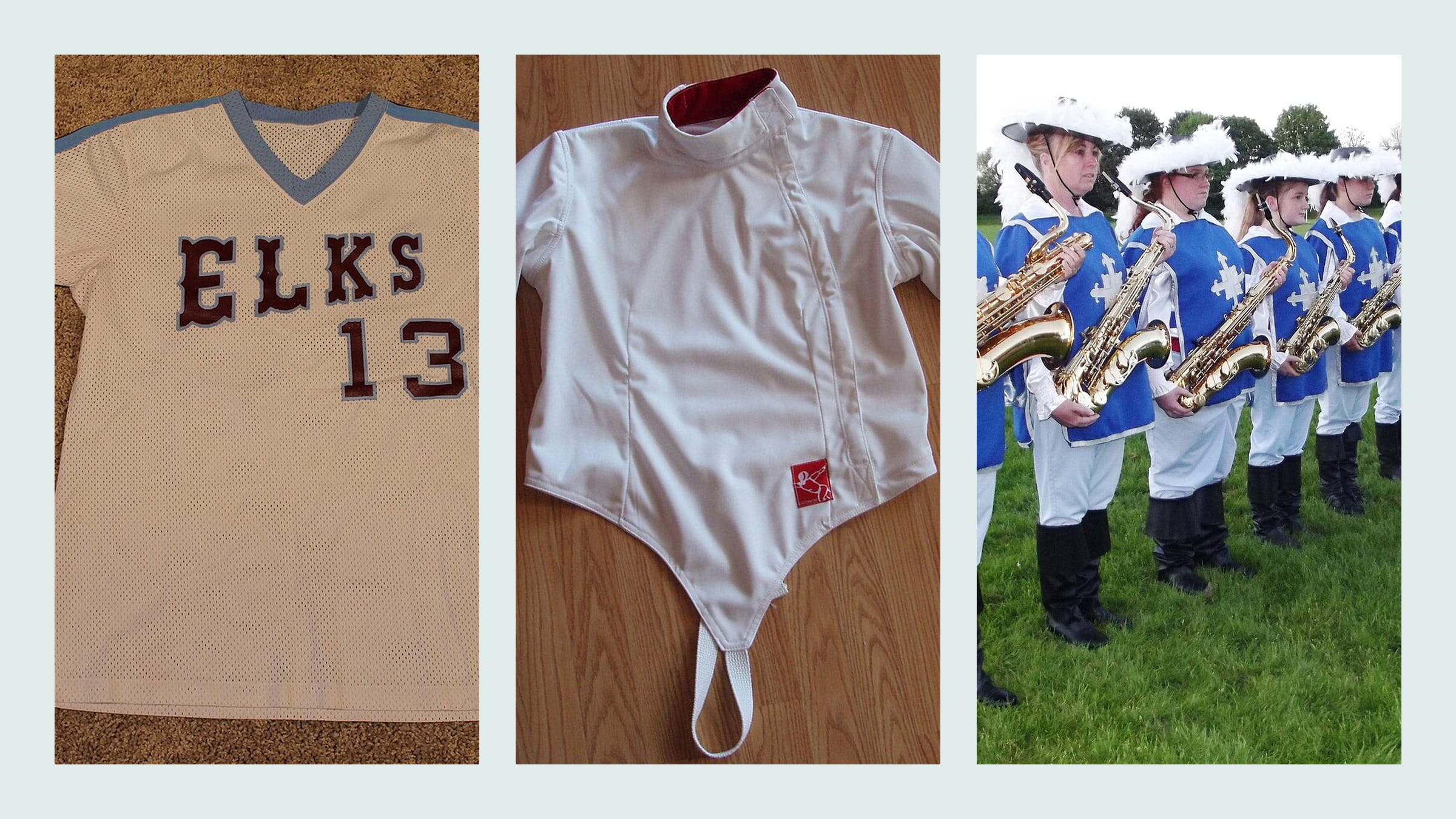
Every type of sport and performance in one place — 5 chapters, Team sport kit, Officiating, Motorsport and protective sport and the rest, with the plates and an inventory to download.
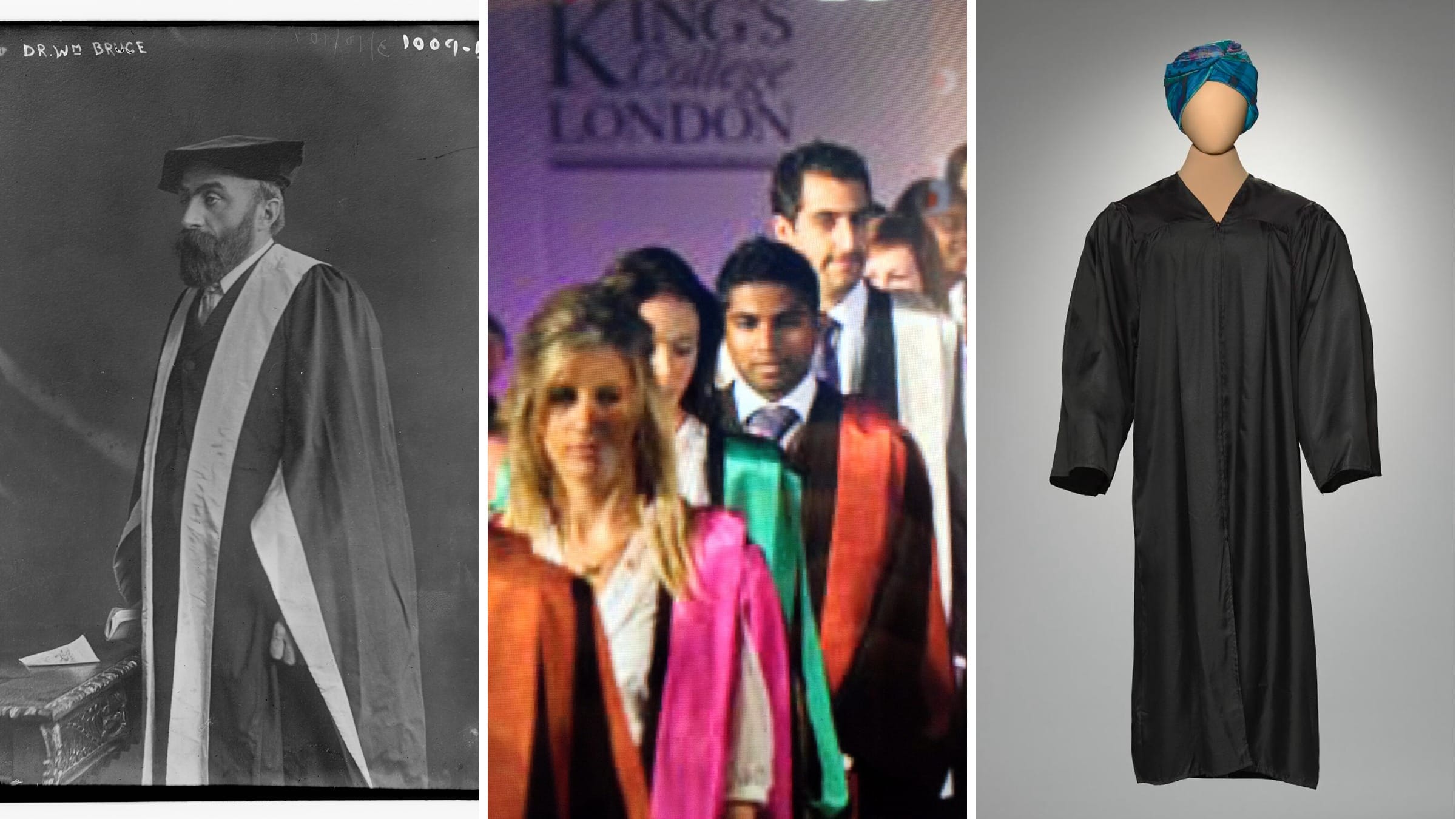
A vestigial garment that stopped being clothing and became a code. The hood carries faculty, degree and institution in a system almost nobody inside it can fully read.
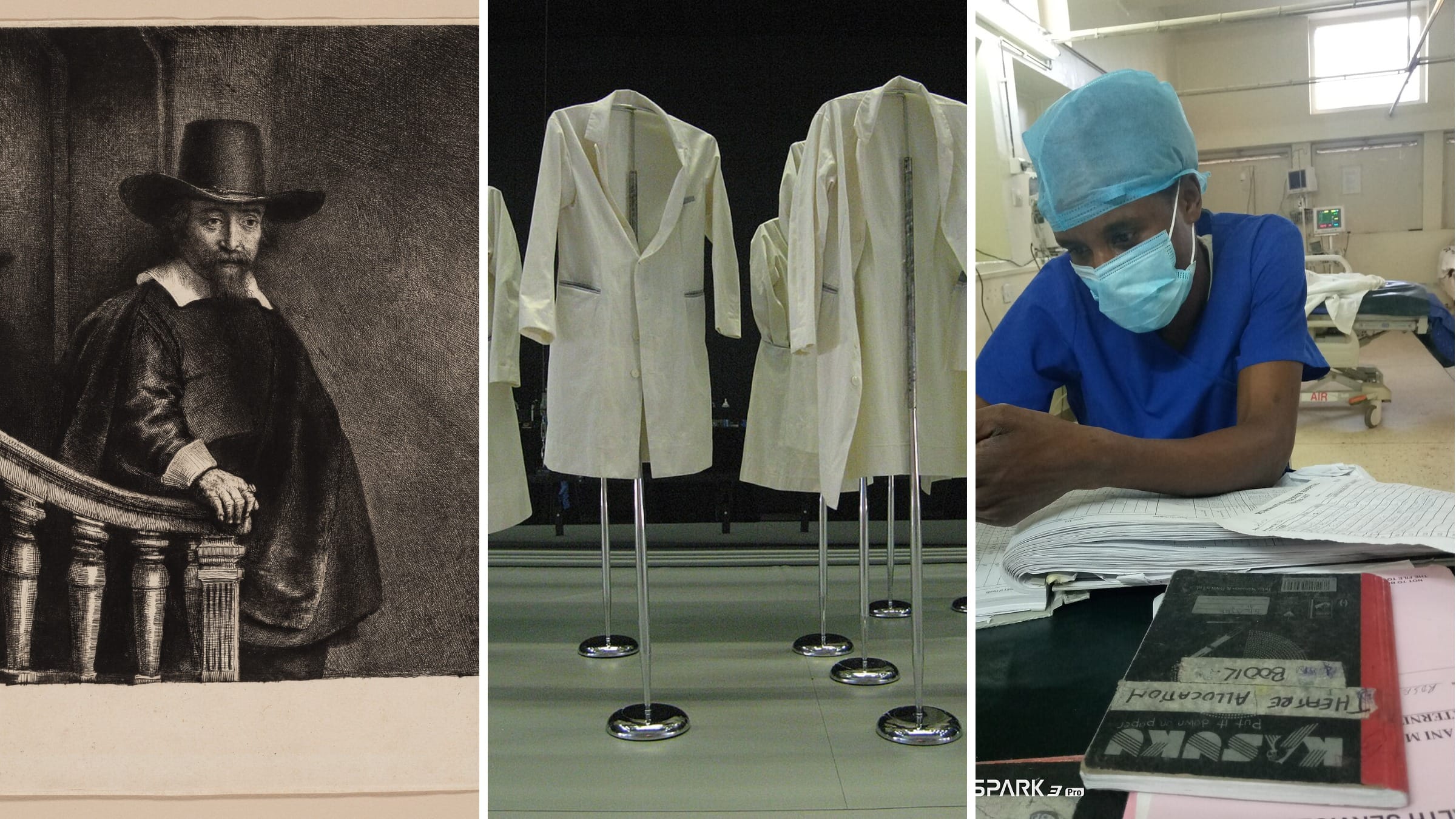
Medicine spent most of the nineteenth century in black frock coats and changed to white in about a generation. The switch was not about hygiene. It was a claim to be a science.
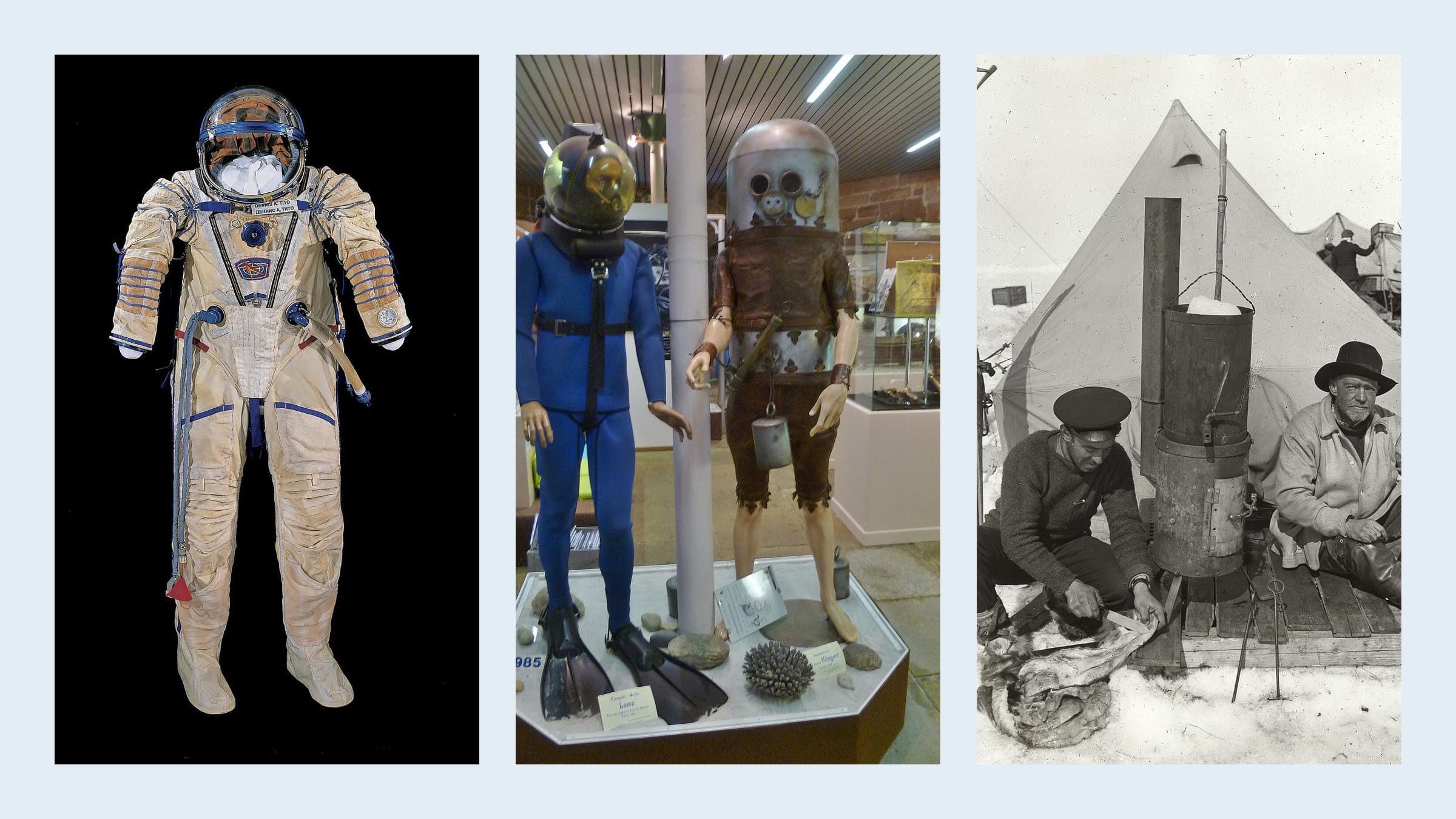
Every type of extreme environment in one place — 3 chapters, Space and pressure suits, Diving and hyperbaric, Polar and high-altitude and the rest, with the plates and an inventory to download.
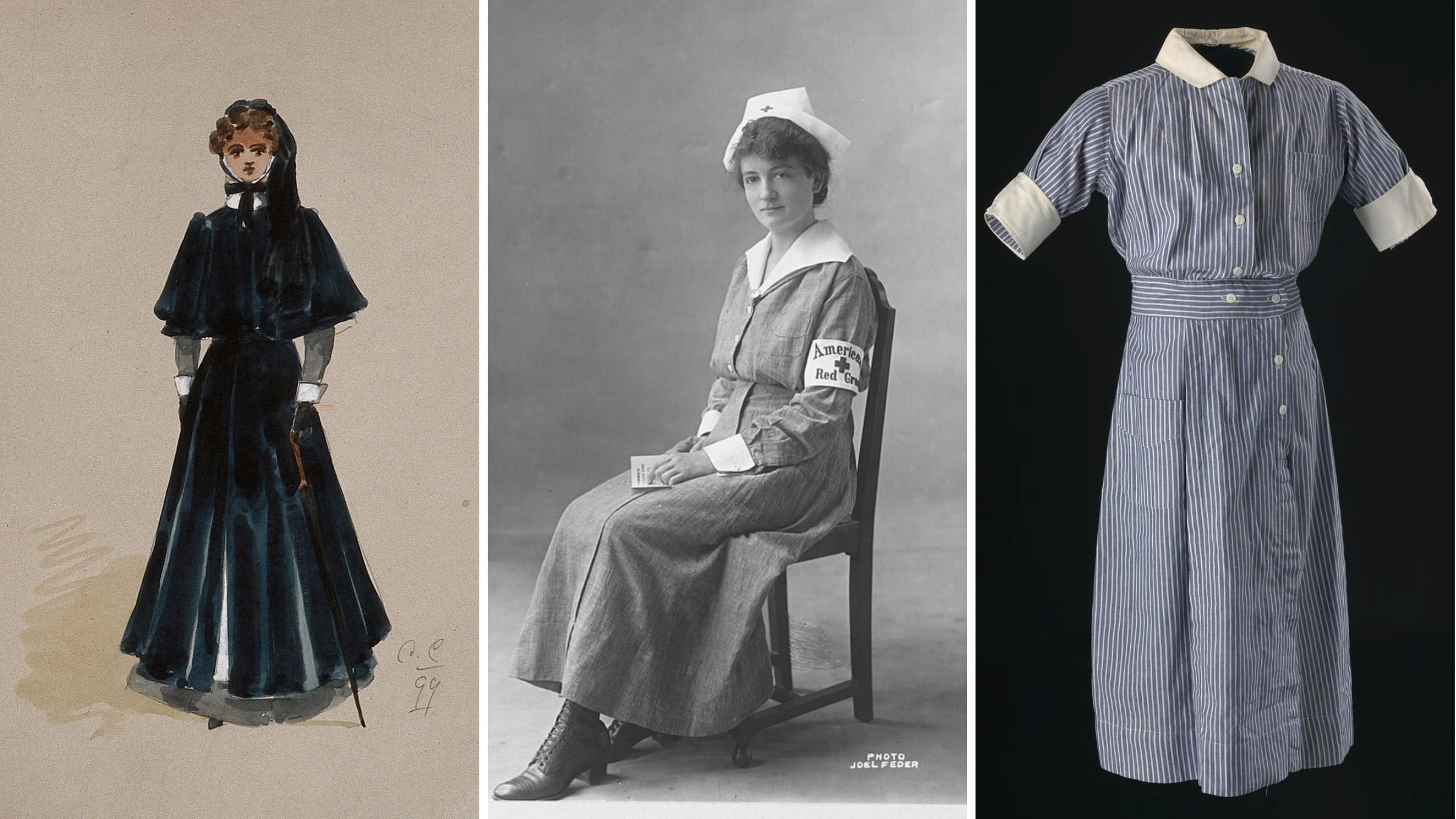
Lined in a colour that identified the school, worn outdoors over a uniform designed for indoors. The cape is the only part of Victorian nursing dress that survived into living memory.
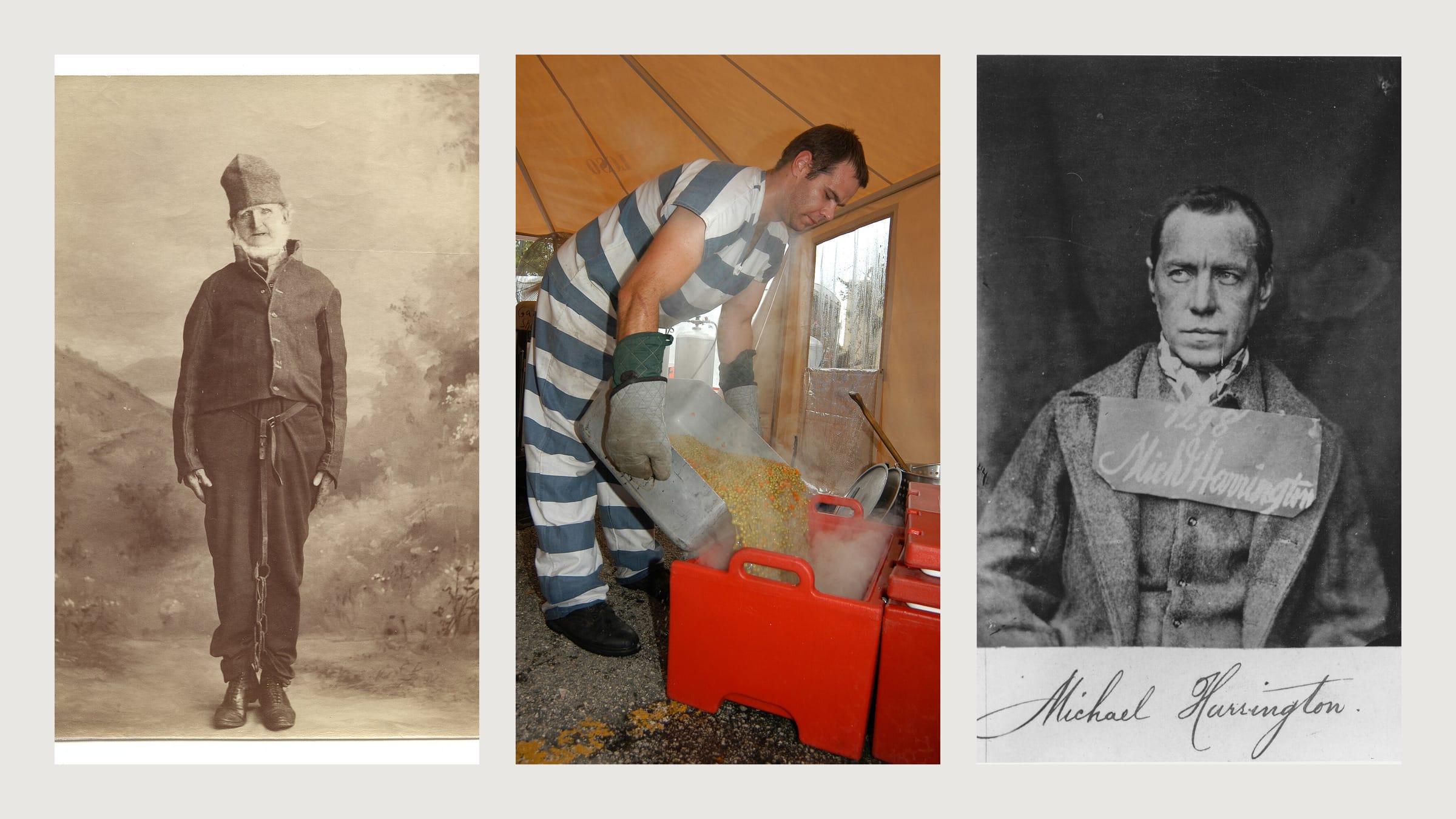
Every type of issued to the confined in one place — 4 chapters, Prison inmate, Hospital patient, Institutional and asylum and the rest, with the plates and an inventory to download.
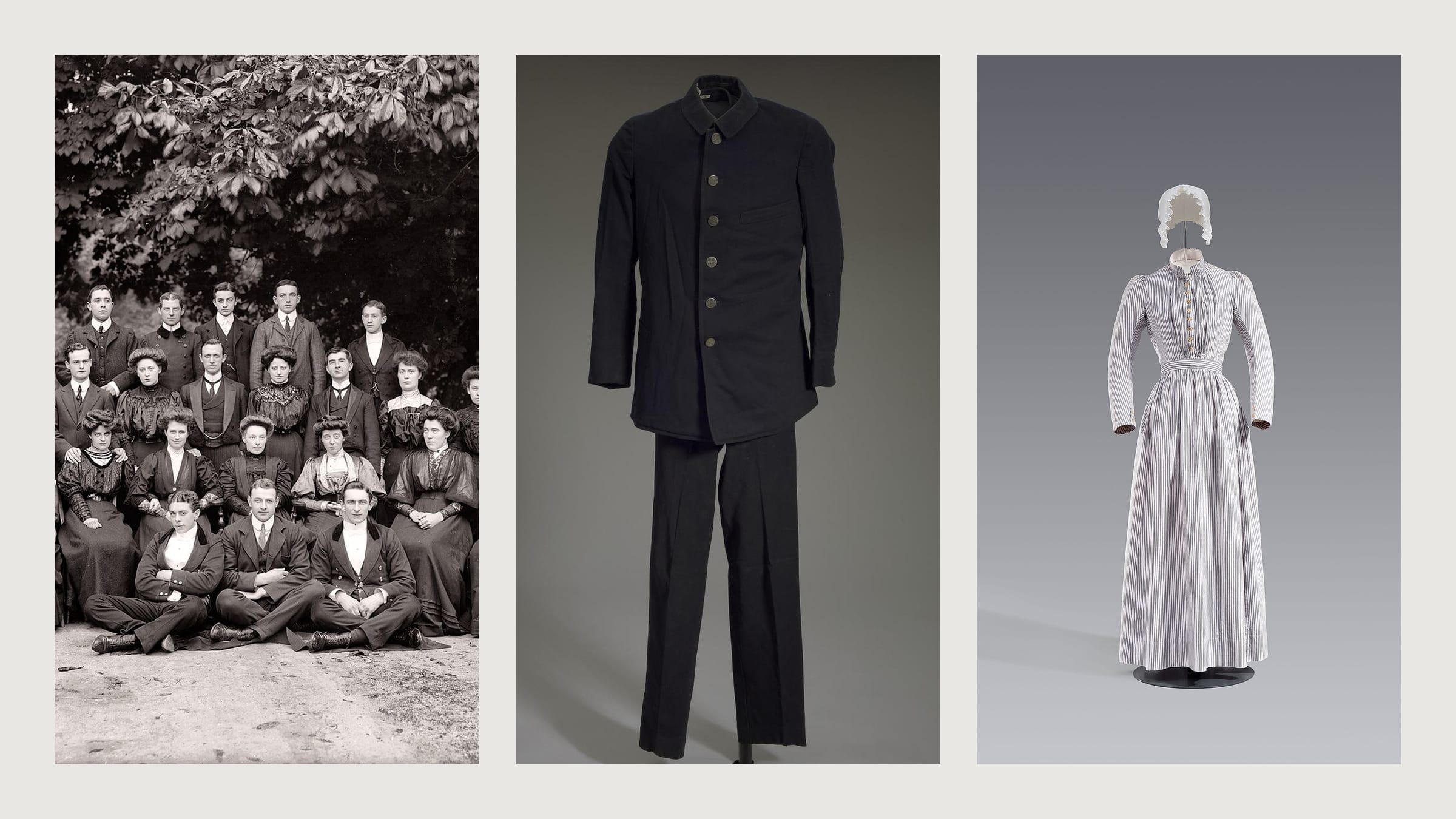
A servant in livery wore their employer’s colours, cut from the employer’s cloth, on the employer’s account. The garment said whose you were before it said what you did.
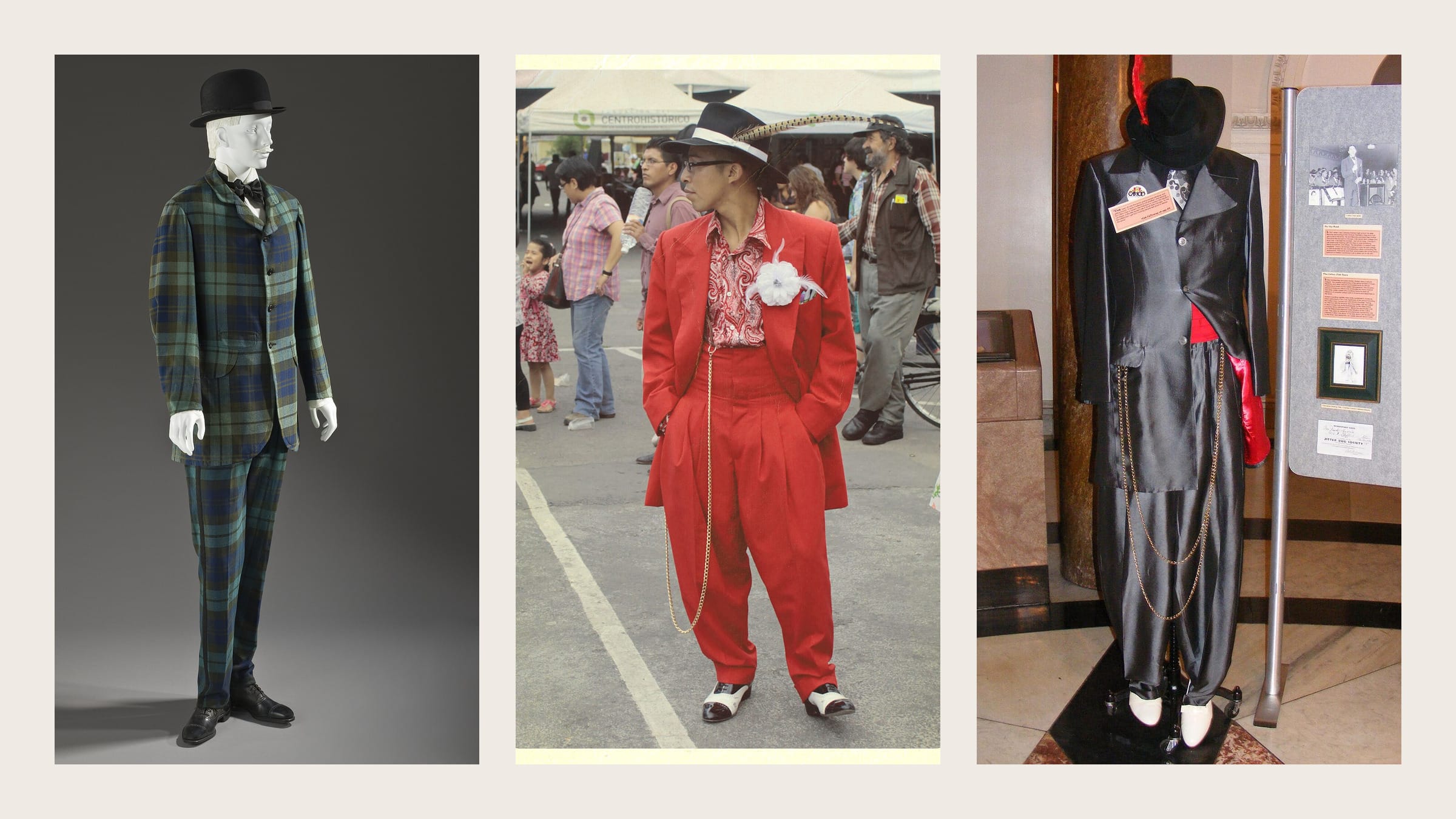
Every type of uniform with no issuer in one place — 3 chapters, Occupational convention, Subcultural uniform, Personal uniform and the rest, with the plates and an inventory to download.
Back
Nametape
Free
$0
Every Research post and every Essay, free to read.
All Research posts — one uniform at a time, in archive photographs