Nametape

The Coat that Was Borrowed

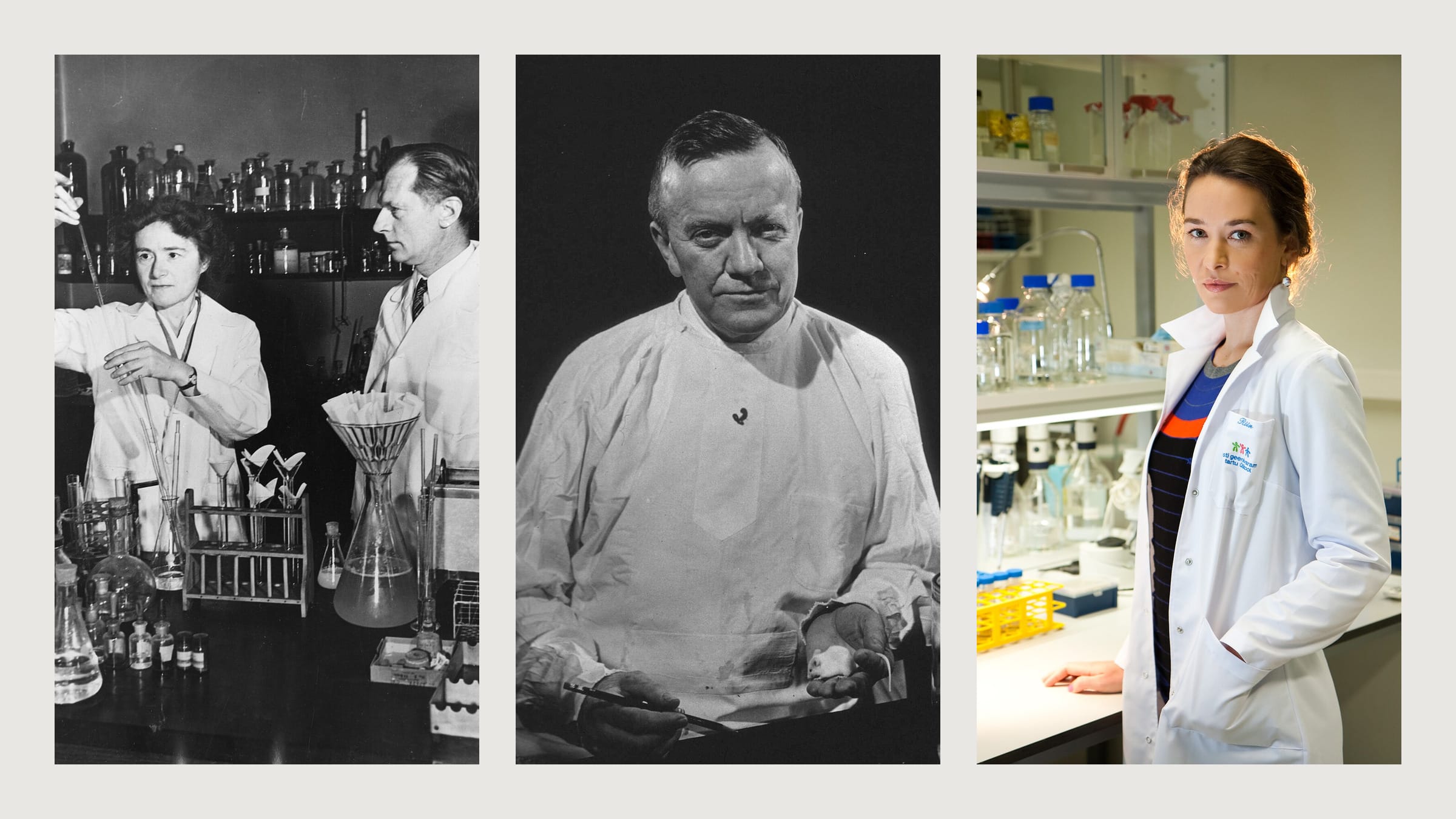
The white coat is the most borrowed garment in this archive — doctors took it from chemists, and everyone else took it from doctors. It is also the only professional uniform here that was never re-cut for women.
Two chemists in a 1940s laboratory, a bacteriologist around 1950, and a geneticist in 2012 — all in white coats

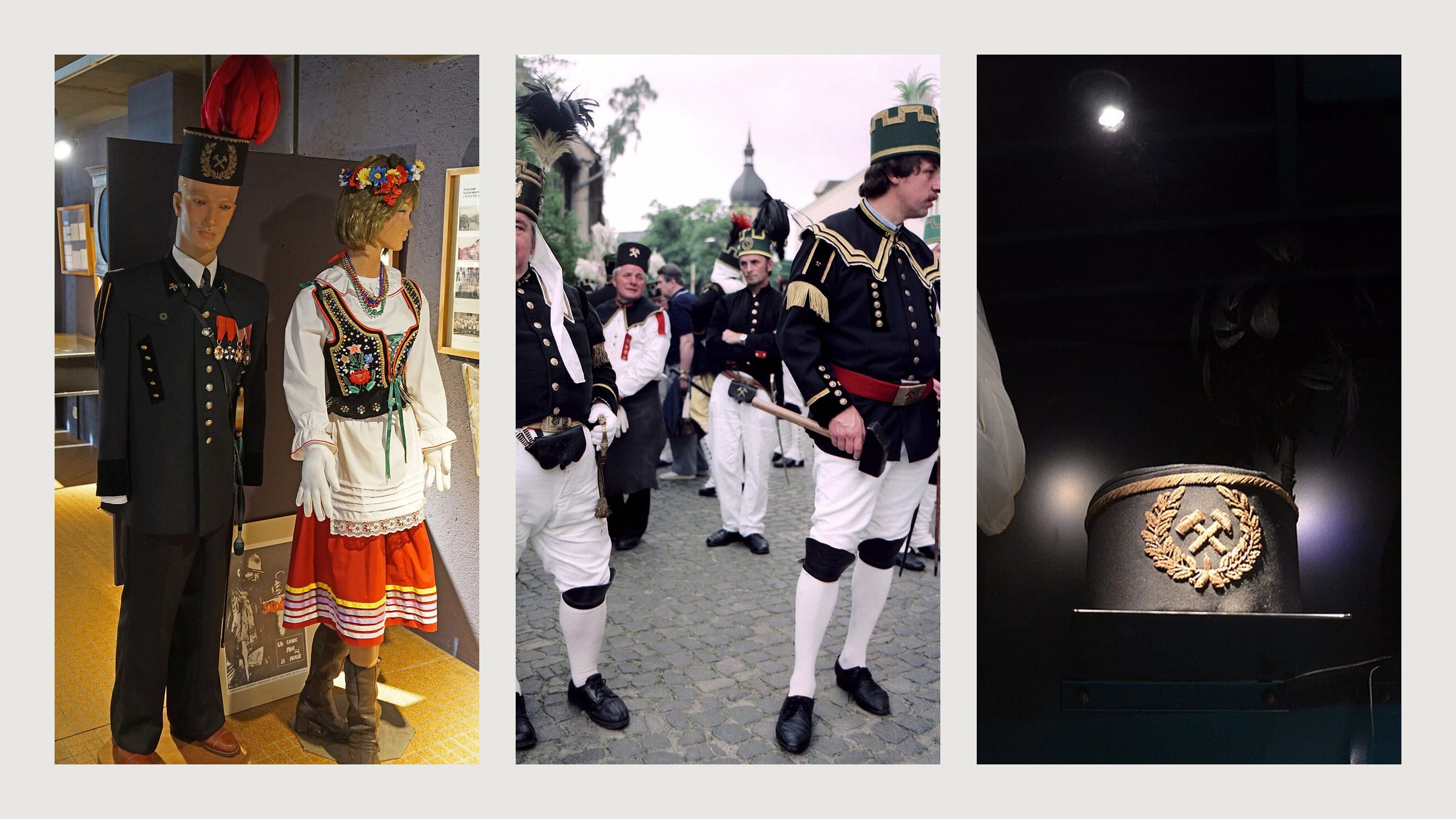
The Miner's Parade Coat

Miners worked in almost nothing. Above ground the same trade built one of the most elaborate ceremonial uniforms in Europe — a black tunic, white breeches, a plumed shako, and a leather apron worn back to front.
A miner's ceremonial coat on a museum figure, a parade in black tunics and white breeches, and shakos in a display case

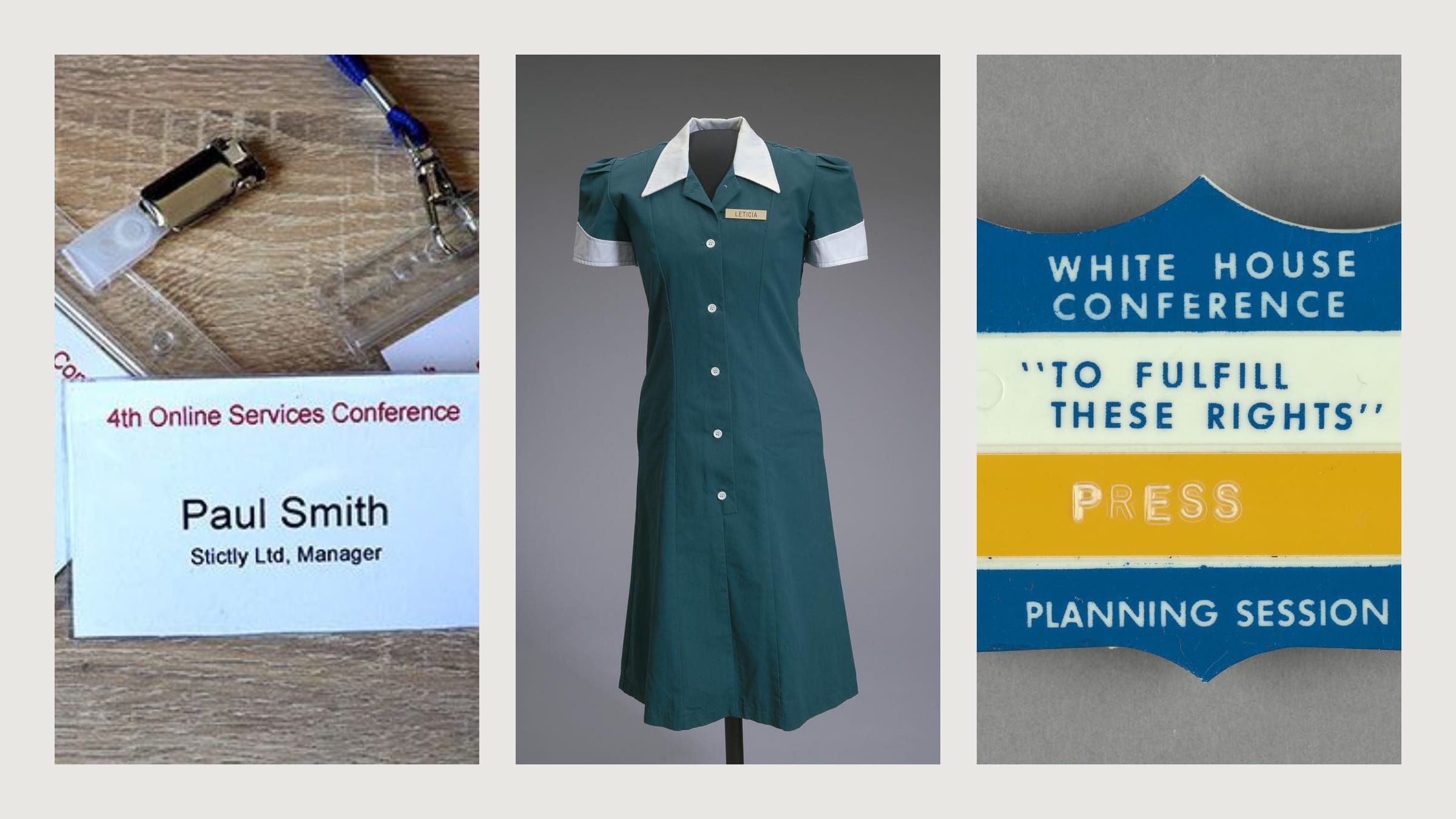
First Names Only

The name badge is a small object with a large asymmetry in it: the wearer’s first name is legible to a stranger who gives nothing back.
A modern employee name badge, a waitress uniform, and a 1965 conference badge

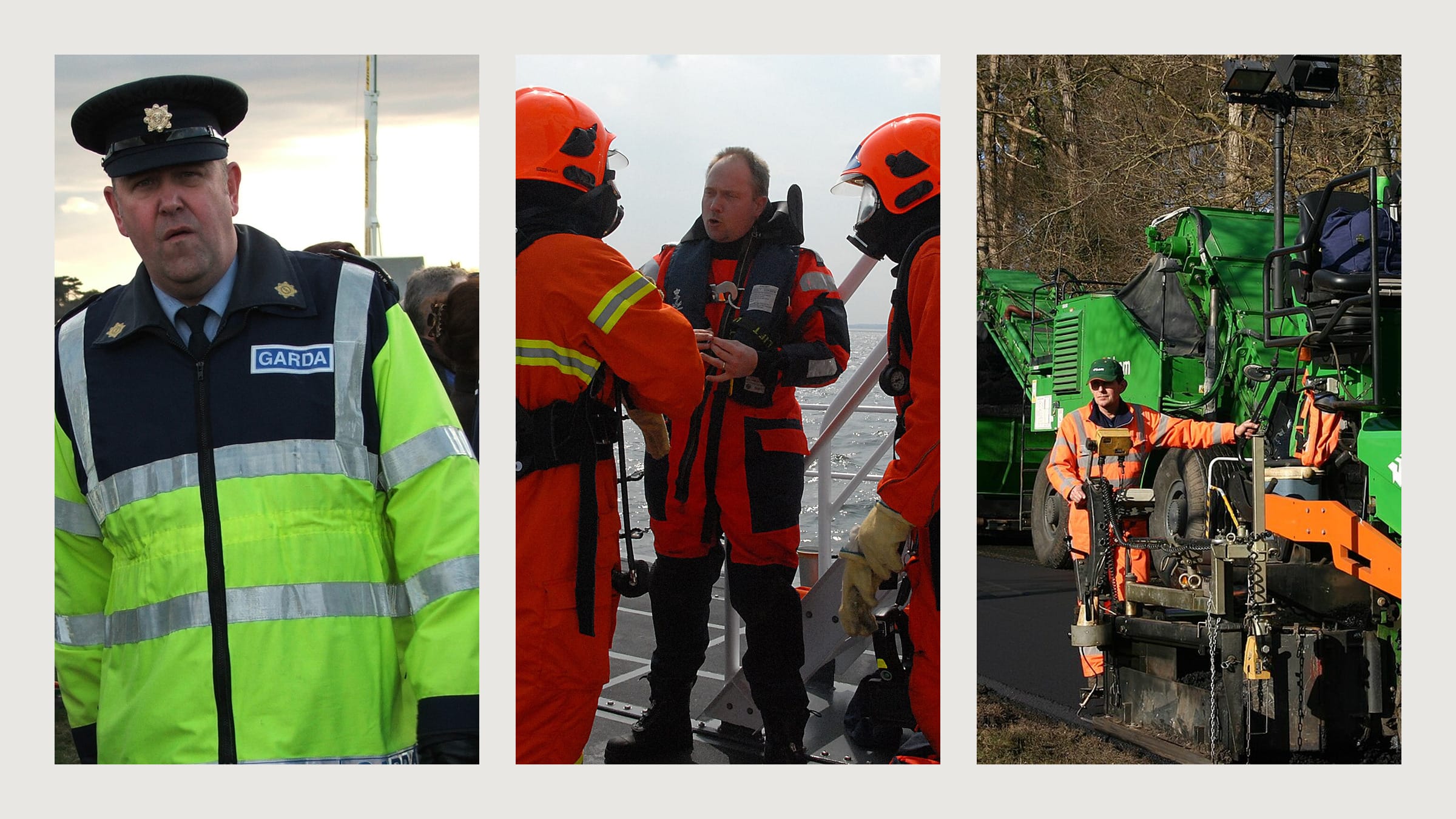
A Color that Means Danger

The narrow band of yellow-green that safety clothing settled on, and the oranges and reds that were tried first. The one colour in dress chosen by measurement rather than taste.
A police officer, a naval rescue team and a road crew, all in high-visibility clothing

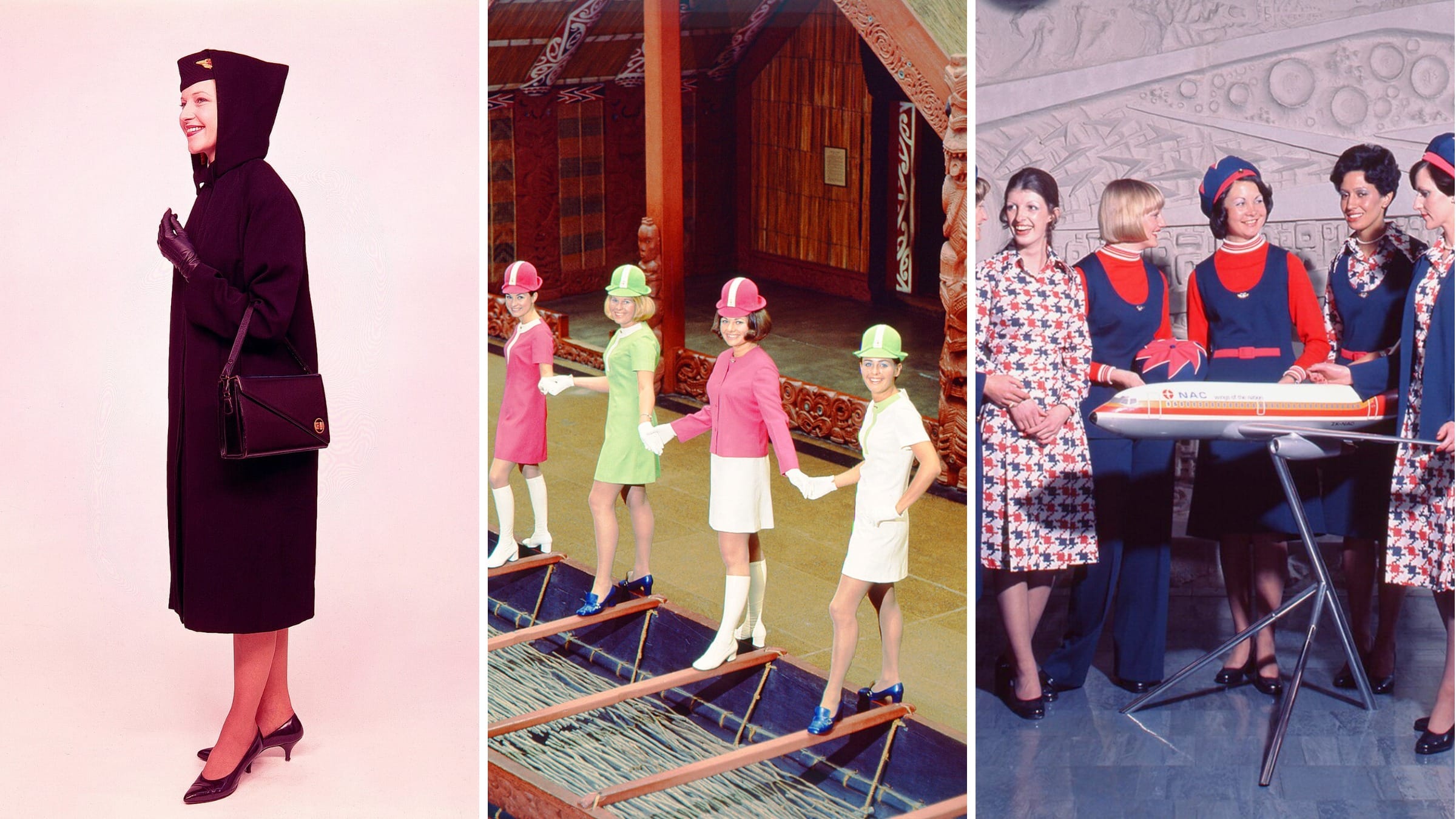
Cabin Crew, 1965–1972

The years when airlines hired fashion designers and the uniform stopped being a uniform. Also the years it became the most openly commercial garment in this entire subject.
Three airline cabin crew uniforms of 1959, 1970 and 1975

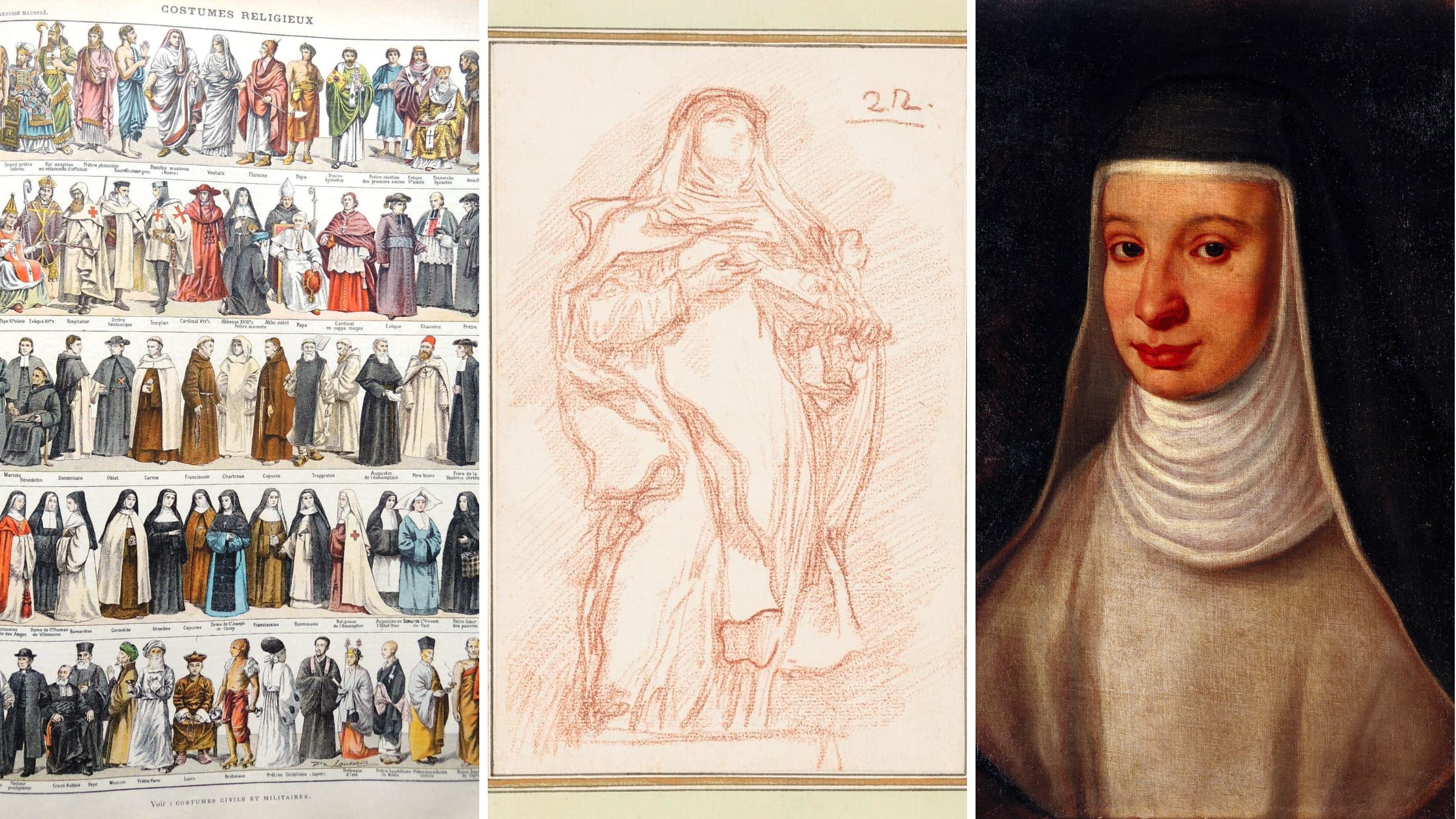
The Habit, in Eleven Pieces

Laid out complete and numbered: eleven garments, each with a name, a rule governing when it is worn, and in several cases a meaning attached to the act of putting it on.
A comparative plate of religious habits, a drawing of a woman in a nun's habit, and a painted portrait of a nun

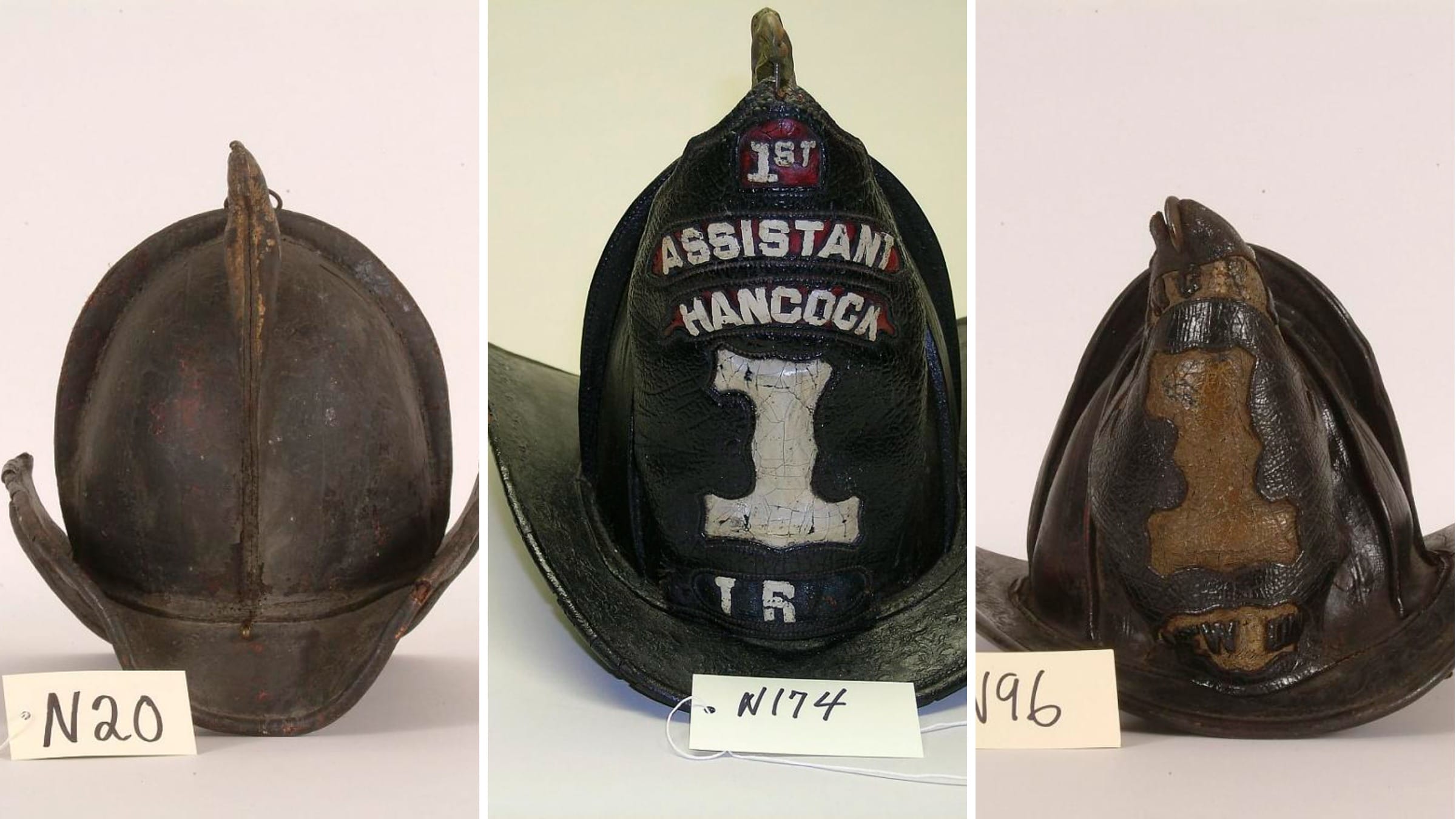
Before Flame Resistance

Wool, leather and a brass helmet. Firefighting dress before flame-resistant fibre was a bet that wool chars rather than melts, and that the helmet would take the rest.
Three nineteenth-century American leather fire helmets from different companies

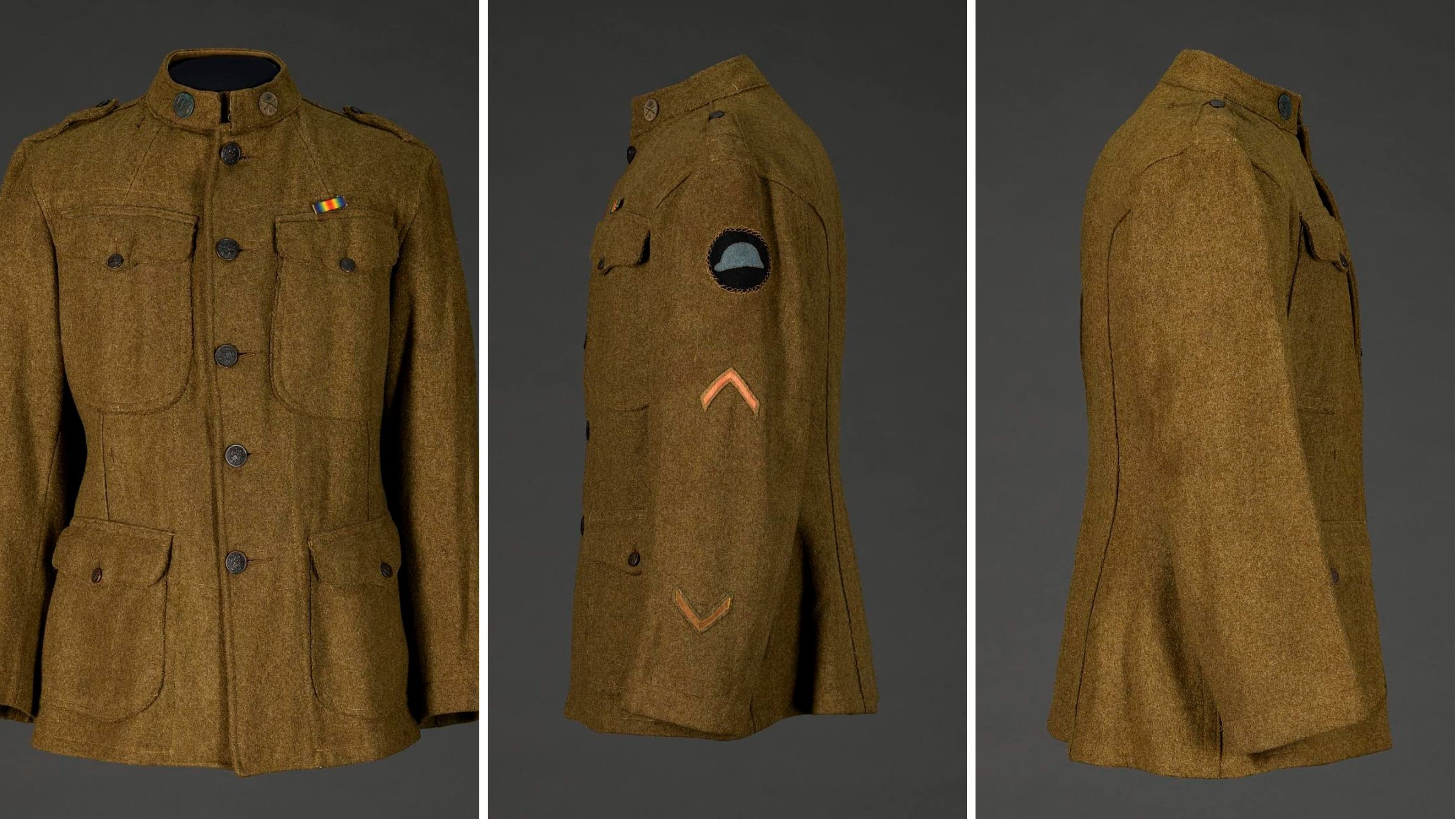
Modernist Army Uniforms

Between the wars, military tailoring did what architecture was doing: stripped ornament, raised the waist, simplified the silhouette to something a factory could cut.
Three views of a First World War enlisted man's olive drab tunic

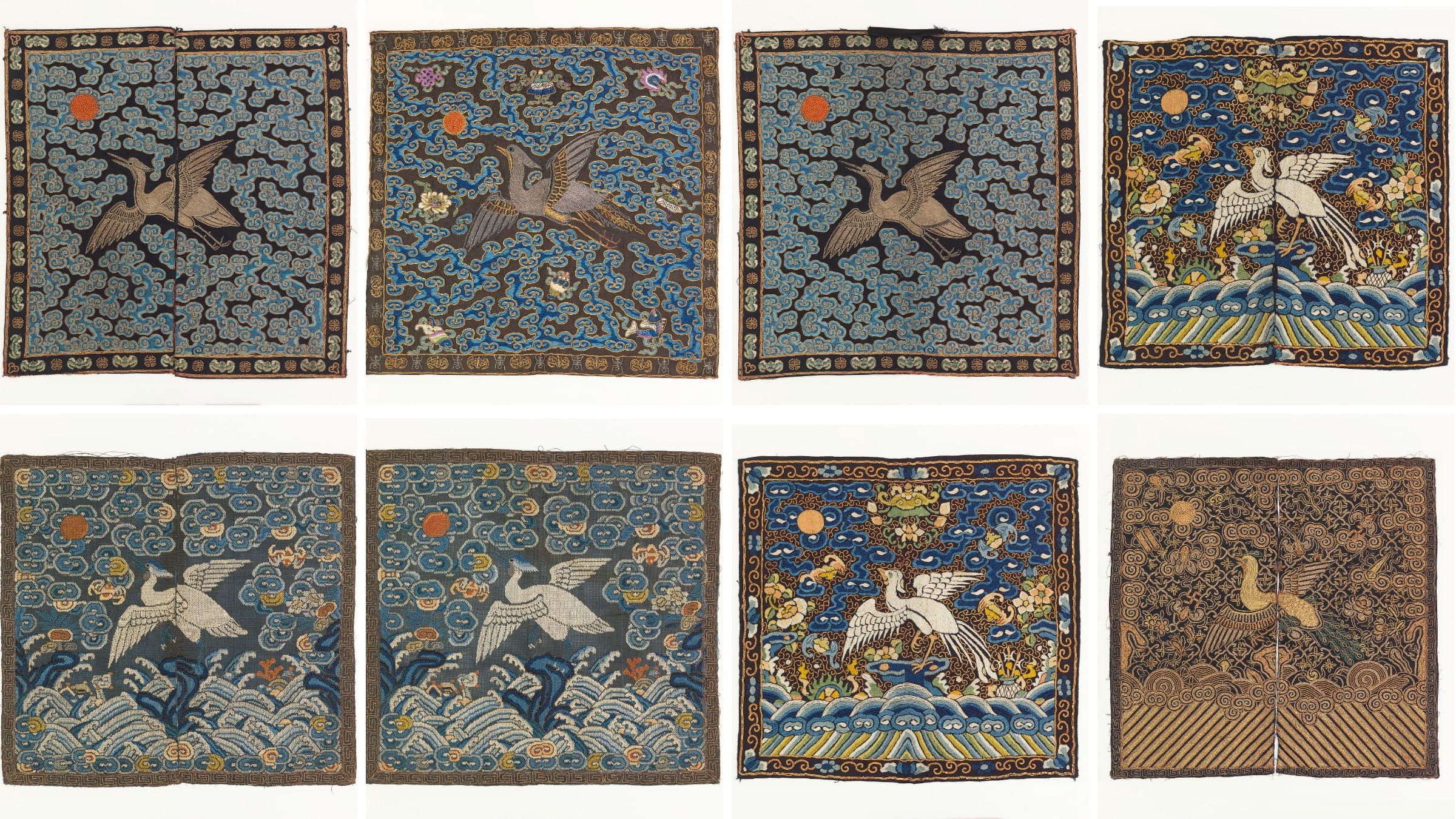
Chevrons, Pips and Bars

Forty pieces of insignia at one magnification. Arranged not by seniority but by visual grammar: everything that signals by repetition, then by metal, then by position on the body.
Eight Chinese civil and military rank badges, each an embroidered silk square

Naval Whites and the Tropics

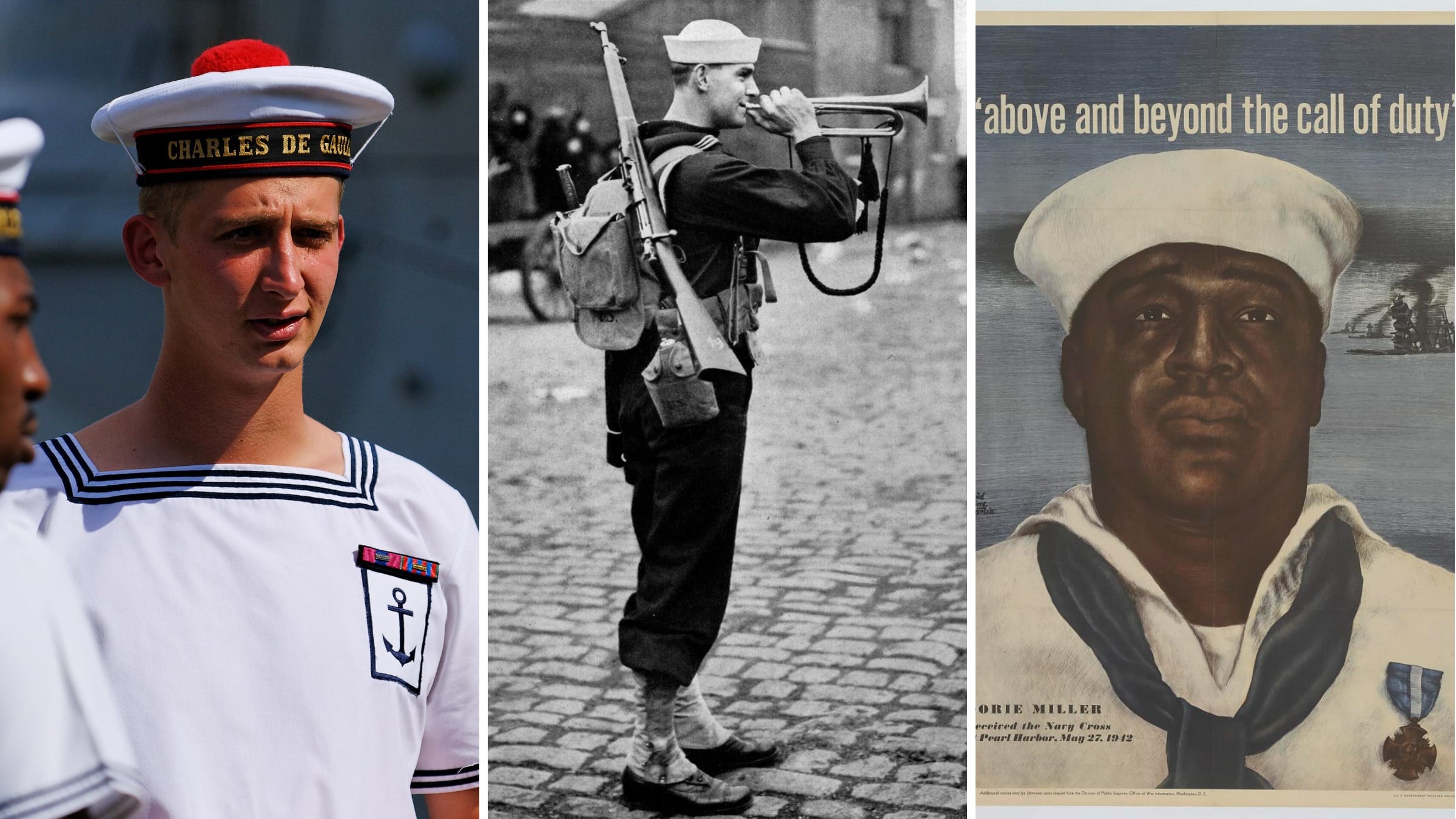
A uniform designed in the North Atlantic and then sent somewhere it could not survive. The tropical whites are what happened when an institution had to admit the climate had won.
A seaman in white dress, a naval militia bugler, and a Second World War navy recruitment poster
17 posts
Show all